światosław / tales from the world

Posts tagged:

shamanism

paganus

February 21st, 2013


The term pagan is from the Latin paganus, an adjective originally meaning “rural“, “rustic”, or “of the country.” As a noun, paganus was used to mean “country dweller, villager.” In their origins, these usages derived from pagus, “province, countryside”, cognate to Greek πάγος “rocky hill”, and, even earlier, “something stuck in the ground”, as a landmark: the Proto-Indo-European root *pag- means “fixed” and is also the source of the words page, pale (stake), and pole, as well as pact and peace.


***


Termin poganin pochodzi od łacińskiego paganus, przymiotnika pierwotnie oznaczającego “wiejski” , “rustykalny”, “ze wsi”. Jako rzeczownik, paganus był używany na określenie żyjących poza miastem, na wieśniaków. W swoich korzeniach te zastosowania są pochodne od pagus, “prowincja, wieś”, pokrewne greckiemu πάγος, “skaliste wzgórze”, a wcześniej “coś wetkniętego w ziemię”, punkt odniesienia, protoindouropejski korzeń *pag- oznacza “ustalony” i jest źródłem takich słów jak pal, pakt i pokój.


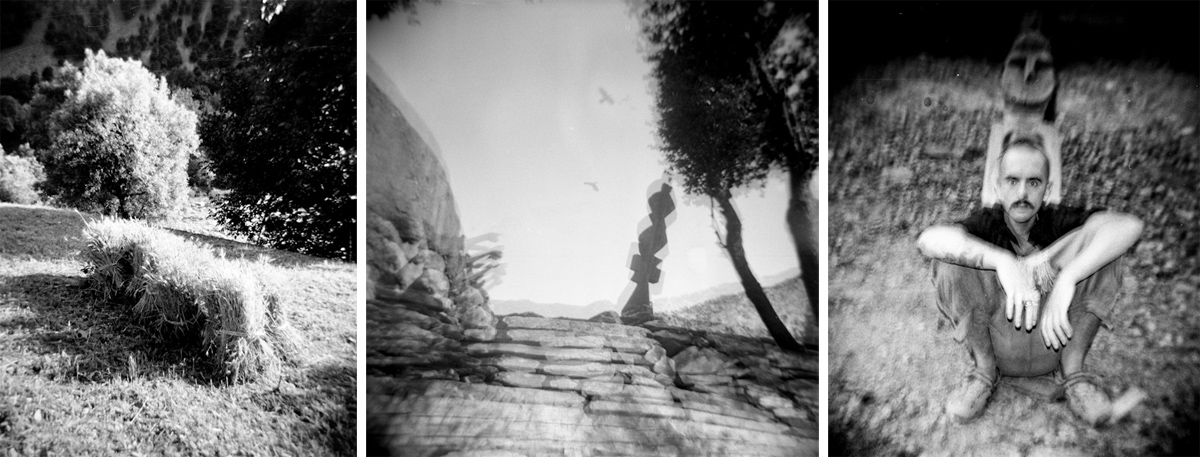
[ From the homeland of Kalash, descendants of Indoeuropean shamanic tradition, last pagans of Pakistan. / Z ojczyzny Kalaszy, potomków indoeuropejskiej tradycji szamanizmu, ostatnich pogan Pakistanu ]


awe and terror / groza i respekt

February 18th, 2013


An ecstatic experience transcends duality; it is
simultaneously terrifying, hilarious, awe-inspiring, familiar, and bizarre. It is an experience that one wishes to have
over and over again.  [ Terence McKenna, "Food of Gods" ]

In his trance the shaman goes on a far journey -the place of the departed ancestors, or the nether world, or there
where the gods dwell-and this wonderland is, I submit, precisely where the hallucinogens take us. They are a
gateway to ecstasy. Ecstasy in itself is neither pleasant nor unpleasant. The bliss or panic into which it plunges you
is incidental to ecstasy. When you are in a state of ecstasy, your very soul seems scooped out from your body and
away it goes. Who controls its flight: Is it you, or your “subconscious,” or a “higher power”? Perhaps it is pitch
dark, yet you see and hear more clearly than you have ever seen or heard before. You are at last face to face with
Ultimate Truth: this is the overwhelming impression (or illusion) that grips you. You may visit Hell, or the Elysian
fields of Asphodel, or the Gobi desert, or Arctic wastes. You know awe, you know bliss, and fear, even terror.
[ Gordon Wasson, "The Wondrous Mushroom: Mycolatry in Mesoamerica" ]


***


 Doświadczenie ekstatyczne przekracza dualność, jest jednocześnie przerażające, zabawne, wywołujące szacunek, znajome i dziwaczne. To doświadczenie, które chce się powtarzać wciąż na nowo, nigdy takie same. [ Terence McKenna, "Pokarm Bogów ]


W swoim transie szaman wyrusza w daleką podróż – do miejsca gdzie odeszli przodkowie, do dolnego świata, lub też tam gdzie mieszkają bogowie, i ta cudowna kraina, postuluję, jest dokładnie tym miejscem gdzie zabierają nas halucynogeny. Są one bramą do ekstazy. Ekstaza sama w sobie nie jest przyjemna ani nieprzyjemna. Rozkosz czy panika w jaką nas wciąga jest wtórna, uboczna. Kiedy jesteś w stanie ekstazy, sama dusza wydaje się zostać wydarta z ciała i porwana gdzieś w dal. Kto kontroluje ten lot : czy to ty, czy twoja podświadomość, czy też jakaś “wyższa siła”? Być może jest to podróż przez smolistą ciemność, a jednak widzisz i słyszysz jaśniej i wyraźniej niż kiedykolwiek wcześniej. Jesteś w końcu twarzą w twarz z Ostateczną Prawdą, to jest to przytłaczające wrażenie ( czy też iluzja ) które cię wtedy chwyta. Możesz odwiedzić Piekło, albo pokryte złotogłowiem eleuzyjskie pola umarłych, albo pustynię Gobi, albo arktyczne pustkowia. Znasz grozę, znasz rozkosz, doświadczasz strachu i przerażenia. [ Gordon Wasson, "Cudowny grzyb : Mykolatria w Ameryce Środkowej" ]


roots / korzenie

February 11th, 2013


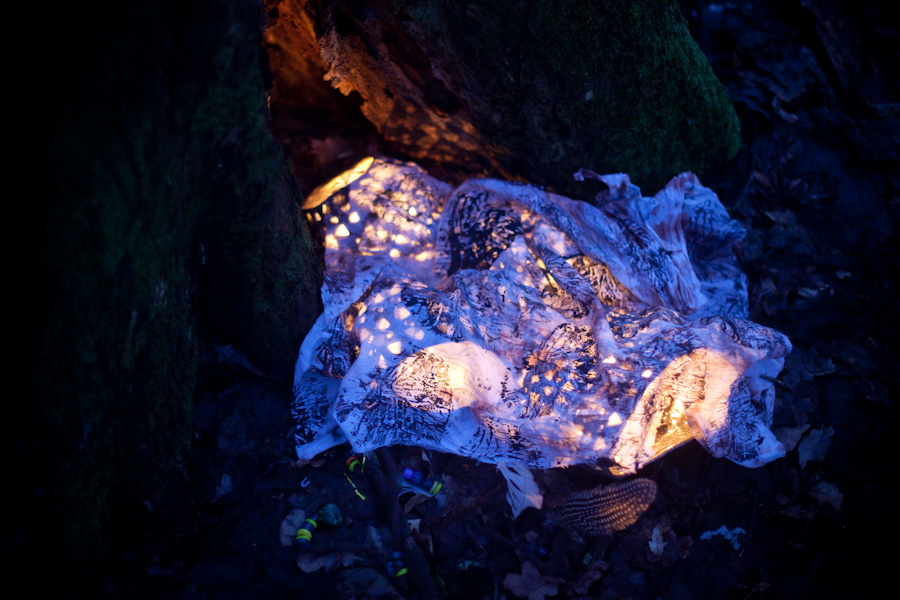
“In the chtonic world there was to be found a source of living water, and it came, according to the folk belief, from under an apple tree. This was, in Slavic folk tradition, a version of the shamanic tree of life, related to the immortality and strength, located above all in the fruits – wonderful, golden apples, guarded by the Golden Cock ( Fire Bird ) or a dragon. In the roots of the tree lived a dragon ( in mythology of the Slavs called Nij, snake god of the netherworld), in the crown of the tree, the bird”


***


“W podziemnym świecie znajdowało się źródło żywej wody, a wypływało ono, według ludowych wierzeń spod jabłoni. Była ona w słowiańskiej kulturze ludowej istotnym wariantem drzewa życia, kojarzonego z nieśmiertelnością i siłą, skupiającą się zwykle w owocach – cudownych, złotych rajskich jabłkach, strzeżonych przez złotego kura (żar ptaka) lub smoka. W korzeniach jabłoni miał mieszkać smok (patrz: zoomorficzna postać boga zaświatów Niji, jako węża/żmija), a na wierzchołku siadać ptak.”


patrz : “Bogowie Polscy”


Interesting theory from the field of study of human mind evolution and the evolution of religious belief is a concept of god as predator. If we realize that for , perhaps millions of years in African bush we have been much less a hunter and much more the hunted, we, the feeble creature of small posture, with no teeth, claws or strength to match carnivorous cats, then many things seem to be clearer…Why do small children of modern cities dream nightmares of being devoured, rather than run over by a car or molested by pedophiles?  Why the concept of almighty power ruling the world that is supposed to be feared? Why would he destroy his own creation? Why Jahwe prefers the flesh offering of Abel over Cain’s veggies?

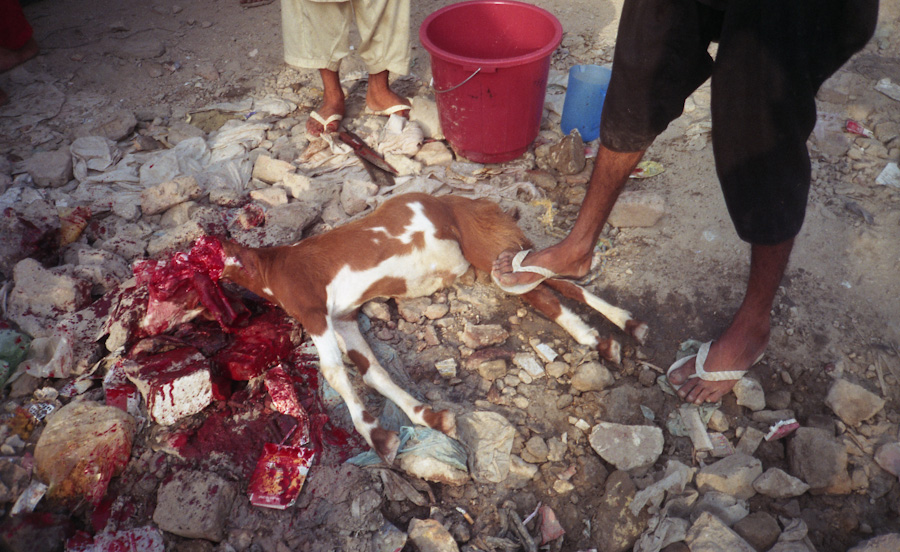
What does happen when a pack of predator chases a herd, and they manage to get the one left behind, the weak one, the slower? They stop to eat it, and abandon the chase. This the primordial sacrifice of the victim, for sake of community, and it has been so through all the human history, the idea that we must sacrifice something, so often lifes, first human, then animal. But we have ceased to be victims, at least not directly. We have grown strong and big and in the process discarded the jealous God figure, our appetite has become the Almighty, the trouble is there is no one to check the limit, to say – it is done, it is enough…This is insatiable God, worse than the desert Jahwe and the irony is, the ultimate victims are the followers of this God, and not the sacrificial beings.


***


Bóg jako drapieżnik to interesująca teoria z dziedziny studiów nad ewolucją ludzkiego umysłu oraz wyobrażeń religijnych. Jeżeli zdamy sobie sprawę z nieco przemilczanej rzeczywistości naszych początków, być może nawet milionów lat spędzonych w strachu na afrykańskich płaskowyżach, podczas których byliśmy raczej ofiarą niż drapieżnikiem, słabym, małym ssakiem, bez kłów i pazurów równych uzbrojeniu drapieżnych kotów, wówczas wiele faktów dotyczących naszej psychiki może da się lepiej zrozumieć. Dlaczego malutkie dzieci współczesnych miast śnią koszmary bycia pożeranymi przez potwory, a nie takie gdzie zagrożenia to auta czy dziwni panowie z brodą? Skąd wziął się pomysł wszechmocnej siły rządzącej światem, której się trzeba obawiać, a którą obłaskawić da się ofiarą ? Dlaczego Jahwe wolał mięsne dary Abla niż warzywka od Kaina?

Co dzieje się, kiedy grupa drapieżników ściga stado, i uda im się dopaść jedną czy dwie sztuki, te które zostały w tyle, słabsze, wolniejsze? Pościg jest wstrzymany i zaczyna się uczta. To jest pierwotna ofiara, jednostka dla społeczności, dla reszty, i tak było przez całą ludzką historię, ten pomysł że musimy poświęcić coś ważnego Ciemnemu Bogu, tak często życie, najpierw ludzkie, potem zwierzęce. Ale w międzyczasie przestalismy być ofiarami, przynajmniej bezpośrednio.  Urośliśmy duzi, silni i grubi, i w trakcie tego całkiem niedawnego wzrastania odrzuciliśmy obraz zazdrosnego Boga, nasz apetyt to nowy Wszechmogący, problem jednak jest taki, że nie ma nikogo kto może powiedzieć dosyć, ofiara spełniona, wystarczy. Nowy Bóg jest nienasycony, gorszy niż pustynny zazdrośnik Jahwe, i co najśmieszniejsze, ostatecznymi ofiarami są nie tyle poświęcane istoty, co sami wyznawcy.
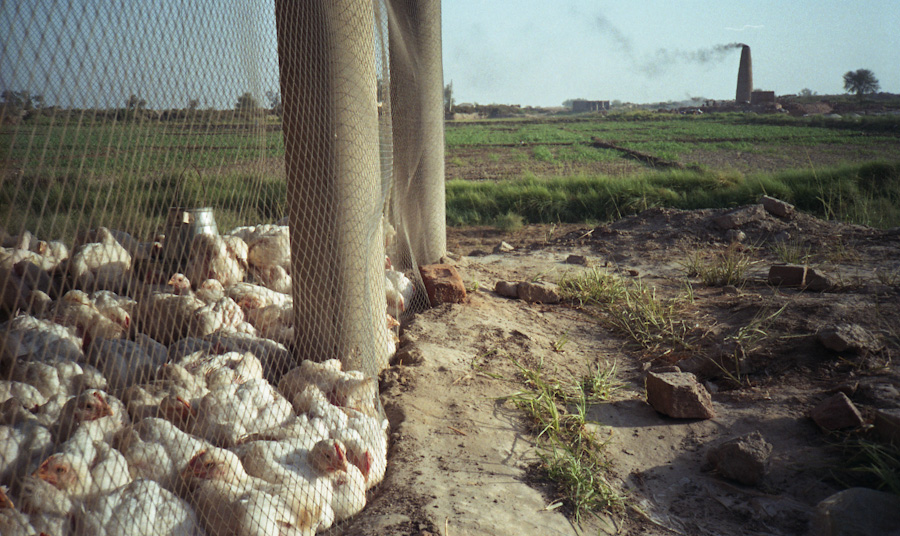


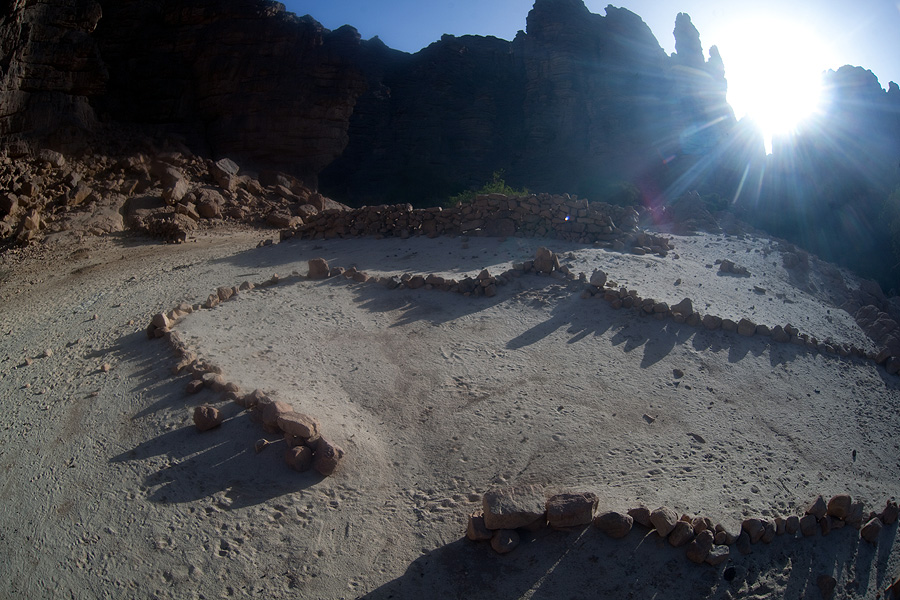
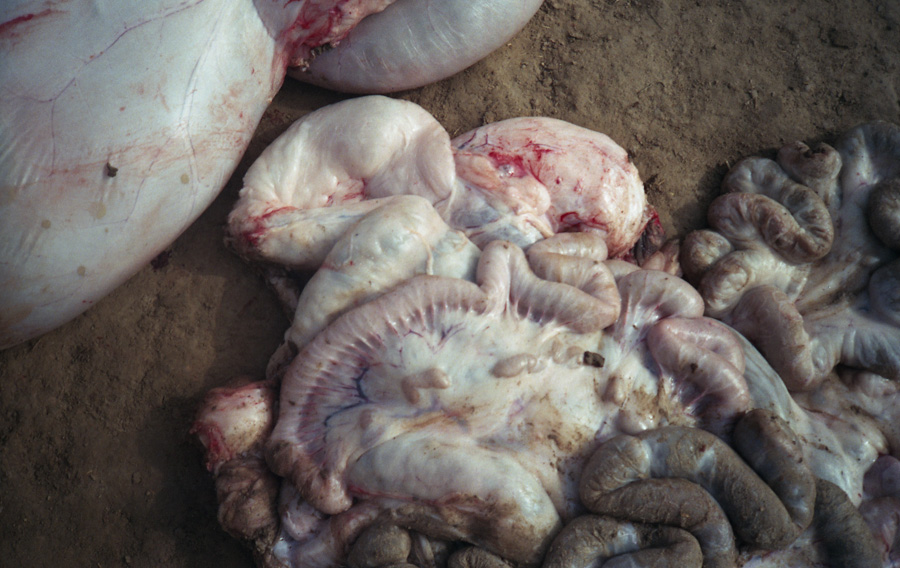
The images above shot during urs at Sehwan Sharif, Pakistan in July 2012, the one below are ancient carvings from the desert in south of Algeria, November 2012  /  Zdjęcia powyżej pochodzą z religijnego święta w Sehwan Sharif w Pakistanie, z lipca 2012, natomiast poniższe to ślady sprzed kilku tysięcy lat, na pustyni w południowej Algierii, listopad 2012
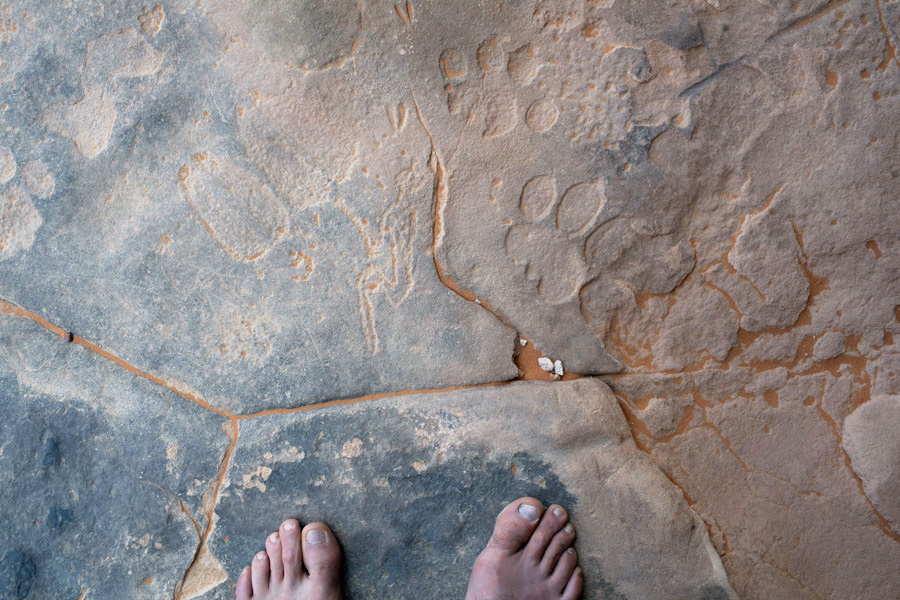
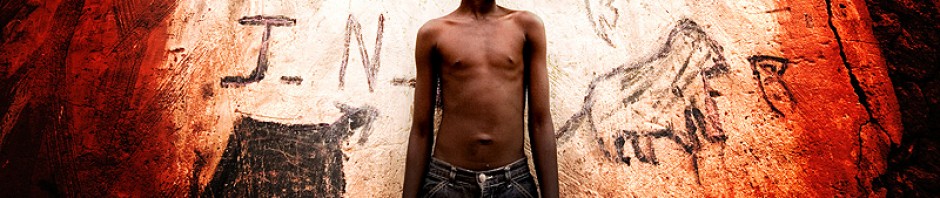


[ Algeria, November 2012 / Algieria, listopad 2012 ]


Proudly powered by WordPress. Theme developed with WordPress Theme Generator.
Copyright © światosław / tales from the world. All rights reserved.