Him who they fear and despise we worship, for he shows the way to the tree of bounty and to the keyhole.
…
Jego, którego oni się boją i nienawidzą, my czcimy, bo pokazuje drogę do drzewa obfitości i wie, gdzie ukryta jest dziurka na klucz.

Him who they fear and despise we worship, for he shows the way to the tree of bounty and to the keyhole.
…
Jego, którego oni się boją i nienawidzą, my czcimy, bo pokazuje drogę do drzewa obfitości i wie, gdzie ukryta jest dziurka na klucz.
“You look at trees and label them just so,
(for trees are `trees’, and growing is `to grow’);
you walk the earth and tread with solemn pace
one of the many minor globes of Space:
a star’s a star, some matter in a ball
compelled to courses mathematical
amid the regimented, cold, Inane,
where destined atoms are each moment slain.”
…
Patrzysz na drzewa i tak je nazywasz
(bo drzewa są „drzewami”, a rośnięcie – „rośnięciem”);
chodzisz po ziemi – z powagą stąpasz
po jednym z najmniejszych globów w Uniwersum:
gwiazda jest w nim gwiazdą, kulą materii
wędrującą po raz nakreślonych torach
w zimnej, zorganizowanej Próżni,
gdzie atom każdy ginie w jemu wyznaczonej chwili.
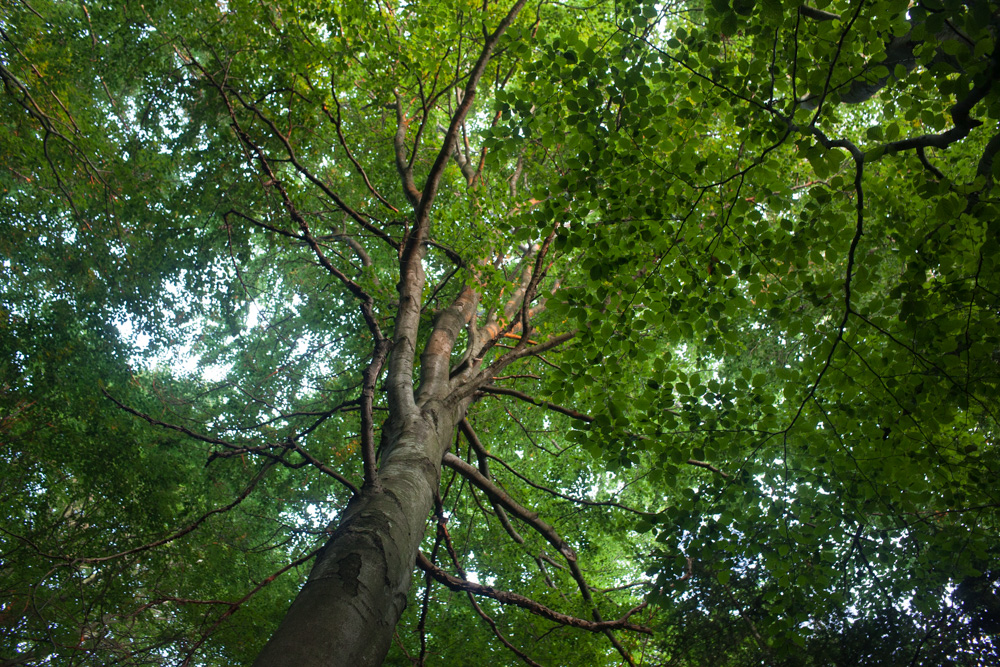
“Yet trees are not `trees’, until so named and seen -
and never were so named, till those had been
who speech’s involuted breath unfurled,
faint echo and dim picture of the world”
…
Póki drzew nie nazwiemy i nie zobaczymy
nie są „drzewami” – i nie byłyby nigdy tak nazwane:
aż nastali ci, których mowa z prostej stała się zawiła;
słabe echo i nikły obraz świata
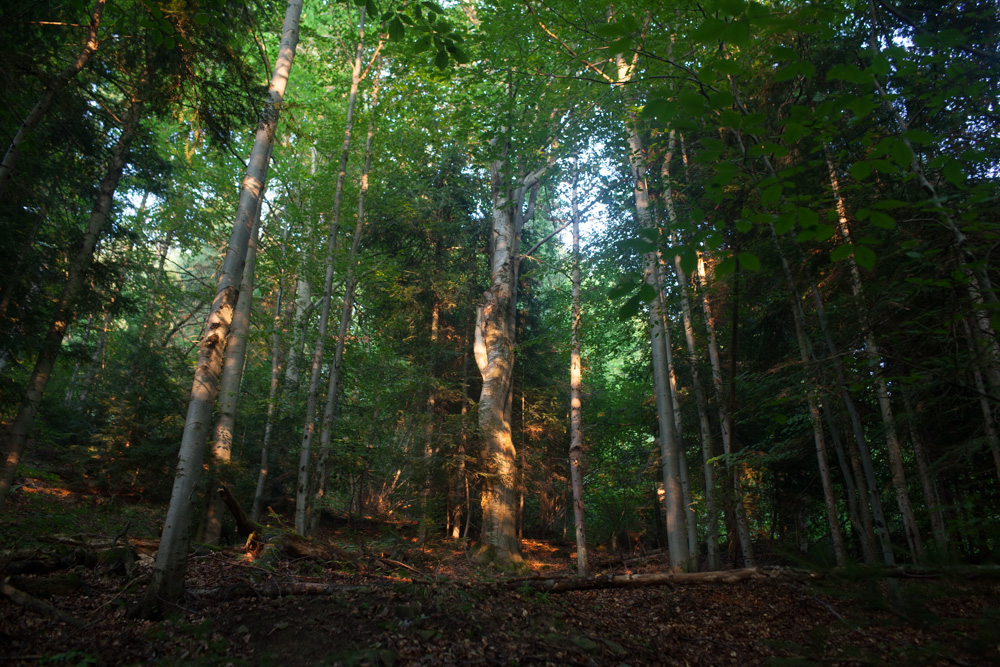
“There is no firmament,
only a void, unless a jewelled tent
myth-woven and elf-patterned; and no earth,
unless the mother’s womb whence all have birth.”
…
Nie ma firmamentu, jest próżnia;
lecz tylko wyzłocony namiot tkany mitem i dekorowany przez elfy;
i nie ma ziemi, lecz tylko łono matki, z którego wszyscy się narodziliśmy.
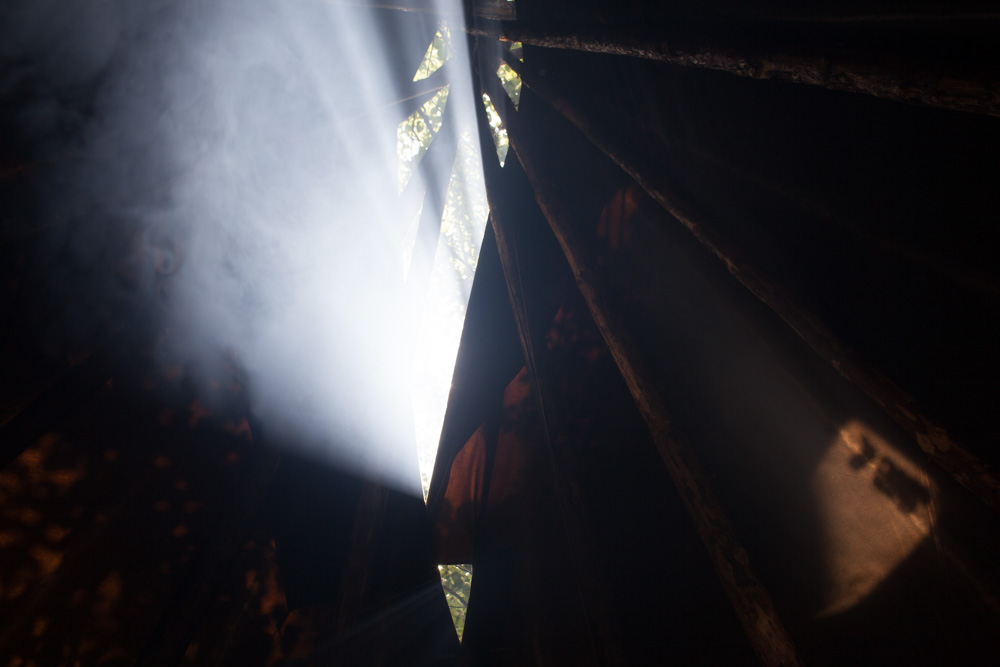
“The heart of man is not compound of lies,
but draws some wisdom from the only Wise,
and still recalls him. Though now long estranged,
man is not wholly lost nor wholly changed.
Disgraced he may be, yet is not dethroned,
and keeps the rags of lordship one he owned,
his world-dominion by creative act:
not his to worship the great Artefact,
man, sub-creator, the refracted light
through whom is splintered from a single White
to many hues, and endlessly combined
in living shapes that move from mind to mind.”
…
Serce człowieka nie jest pełne kłamstw,
ale wciąż bierze mądrość z Jedynej Mądrości
i stale ja przywołuje.
Dziś odstręczający – człowiek –
nie całkiem stracony, nie całkiem zmieniony.
Może być zhańbiony, lecz nie zdetronizowany,
utrzymuje skrawki panowania, jakie posiadał
nad światem dzięki aktowi stworzenia;
człowiek nie uwielbia Wielkiego Artefaktu,
współtwórca, rozszczepia światło i
rozłamane z Białego na wiele odcieni
w żyjące kształty nieskończenie łączy,
a ono przemyka z umysłu w umysł.
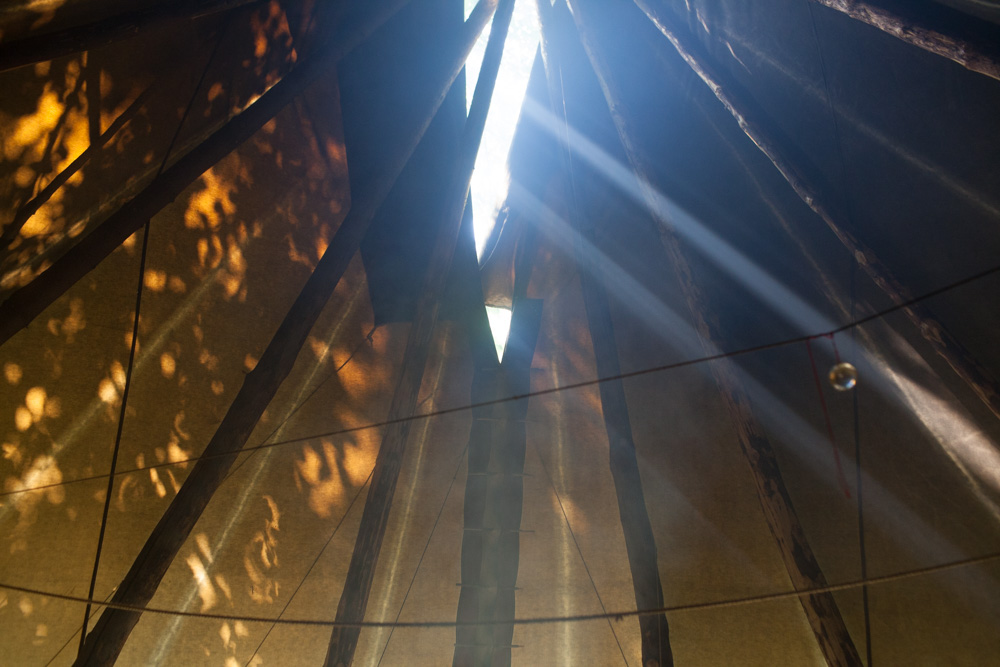
“Blessed are the timid hearts that evil hate,
that quail in its shadow, and yet shut the gate;
that seek no parley, and in guarded room,
through small and bare, upon a clumsy loom
weave tissues gilded by the far-off day
hoped and believed in under Shadow’s sway.”
…
Błogosławione serca bojaźliwe, które nienawidzą zła,
które lękają się jego cienia i zatrzaskują drzwi;
nie szukają układów w strzeżonym pokoju,
małym i pustym, na nieudacznym krośnie
tkają pozłacane kobierce na odległy dzień
oczekiwany z nadzieją i wiarą wbrew panującym Ciemnościom.
“Blessed are the legend-makers with their rhyme
of things not found within record time.
It is not they that have forgot the Night,
or bid us flee to organised delight,
in lotus-isles of economic bliss
forswearing souls to gain a Circe-kiss
(and counterfeit at that, machine-produced,
bogus seduction of the twice-seduced).”
…
Błogosławieni twórcy legend za swe rymowane
rzeczy nie znalezionych w rejestrach czasu.
Nie dlatego, że zapomnieli o Nocy,
albo kazali nam uciec do zorganizowanej uciechy
na lotosowych wyspach ekonomicznego szczęścia,
zaprzeczając duszy – zdobyć pocałunek Circe
(naśladując pokusę dwakroć uwiedzionego).
“They have seen Death and ultimate defeat,
and yet they would not in despair retreat,
but oft to victory have turned the lyre
and kindled hearts with legendary fire,
illuminating Now and dark Hath-been
with light of suns as yet by no man seen.”
…
Widzieli śmierć i ostateczną porażkę,
a mimo to nie cofnęli się w rozpaczy,
ale często ku zwycięstwu obracali lirę
i rozpalali serca legend ogniem:
oświetlali Obecne i posępne Przebrzmiałe
światłem słońc przez człowieka nie widzianych
“I would be with the mariners of the deep
that cut their slender planks on mountains steep
and voyage upon a vague and wandering quest,
for some have passed beyond the fabled West.”
…
Chciałbym wraz z żeglarzami głębin
Tnących cienkie deski na stoku gór
Wyruszyć na niepewne, pełne zasadzek drogi;
Bo niektórzy dotarli poza legendarny Zachód.
“I will not walk with your progressive apes,
erect and sapient. Before them gapes
the dark abyss to which their progress tends -
if by God’s mercy progress ever ends,
and does not ceaselessly revolve the same
unfruitful course with changing of a name.”
…
Nie będę chodził z waszymi postępowymi małpami,
wyprostowanymi i przemądrzałymi. Przed nimi zieje
ciemna otchłań, ku której idzie ich postęp -
jeśli, z łaski Boga, kiedyś się skończy
i nie powróci nieustannie taki sam
bezowocny bieg wypadków – pod zmienioną nazwą.
“I will not tread your dusty path and flat,
denoting this and that by this and that,
your world immutable wherein no part
the little maker has with maker’s art.
I bow not yet before the Iron Crown,
nor cast my own small golden sceptre down.”
…
Nie pójdę tym zakurzonym i płaskim tropem,
oznaczając to i tamto przez to i tamto,
świat twój jest niezmienny; w nim
mały twórca nie ma cząstki w sztuce Twórcy.
I nie kłonię się przed Żelazną Koroną
ani nie opuszczam własnego, małego, złotego berła.
“In Paradise perchance the eye may stray
from gazing upon everlasting Day
to see the day-illumined, and renew
from mirrored truth the likeness of the True.”
…
W Raju przypadkiem może oko zbłądzić
gdy wpatruje się w trwający wiecznie dzień,
by ujrzeć dzień rozświetlony i odnowić
w odzwierciedlonej prawdzie Prawdy podobieństwo.
“Then looking on the Blessed Land ’twill see
that all is as it is, and yet made free”
…
Wtedy na błogosławioną patrząc Ziemie zobaczysz,
że wszystko jest jak jest i już uwolnione;

“Evil it will not see, for evil lies
not in God’s picture but in crooked eyes,
not in the source but in malicious choice,
and not in sound but in the tuneless voice.”
…
Szatan nie zobaczy tego, bo szatańskich kłamstw
nie ma w Boskim obrazie, choć są w nieuczciwych oczach,
nie w źródle, ale w złośliwym wyborze
i nie w dźwięku, a w bezdźwięcznym głosie.
…
According to “Mythopoeia”, so far the transcendental second plane cannot be brought onto earth. And it stays this way. Lines 131 – 136 in the last stanza make it clear that the true essence of all things can only be experienced on the second plane – though even that not with certitude (“perchance the eye may stray”, line 131) – which in the poem is then equated with Paradise (131). In Paradise man´s eye now has the chance “to see the day-illumined, and renew” (133), thereby leaving the triteness of the earthly light behind him.
The formulation is also reminiscent of Plato; it takes up a picture from the allegory of the sun. There the sun, an object that provides the brightest light, is equated with the idea of good – a good that is necessary to view the truth that can only be seen in the brightest light (Republic 508a-d). Following the allegory of the lines (509d – 511a), the possible view of truth depends on the angle at which sunlight shines upon the objects of knowledge. Line 133 is reminiscent of the Platonic parables of sun and lines.
But more important is line 134: the day – illuminated and renew[Again, something is strange here.] – there (on the other plane!) shows “from mirrored truth the likeness of the True” – this means objective knowledge. This view makes it possible to look on the blessed land as it is, “made free”, a liberation which then extends to the spectator.
What is it that the poet and reader are “made free” from? The mistaken assumptions of an empiricism which does not allow other modes of acquiring knowledge. The important point is that it is possible in Paradise to renew the sight of truth, because “renew” again takes up the topic of remembered, ‘Socratic’, foreknowledge which was mentioned above.
Therefore the key terms of verse 12 are “renew”, which refers to knowledge gained from the second plane, and “mirrored truth”. Mirrored truth is again a Platonian picture. It refers to the allegory of the cave, the most influential idea of Plato´s philosophy (Republic 514a-515c).
The parable tells the story of people who are chained inside a cave. They are looking upon a wall before them, unable to turn around. They can only see shadows on the wall and hear sounds originating from outside the cave. The shadows are faint, the sound is dim, both are but a reflection of the real world outside the cave. These people will never come to know reality but only experience incomplete reflections if they are not freed (or free themselves), stand up and look at what is really outside their cave. The meaning of the parable is that the real world, the only world which the materialist believes in, only allows us to see reflections from the second plane, just like the reflections the prisoners in Plato´s cave can see and hear.
The possibility “[to] see that all is as it is“ (lines 135f.) exists only on the second plane, in the Platonic world of ideas, in the “Mythopoeian Paradise”. Even the liberation in Paradise – “all [...] as it is, and yet made free“ – connects “Mythopoeia” to Plato since the view of truth, which man experiences by leaving the cave, constitutes an act of liberation.
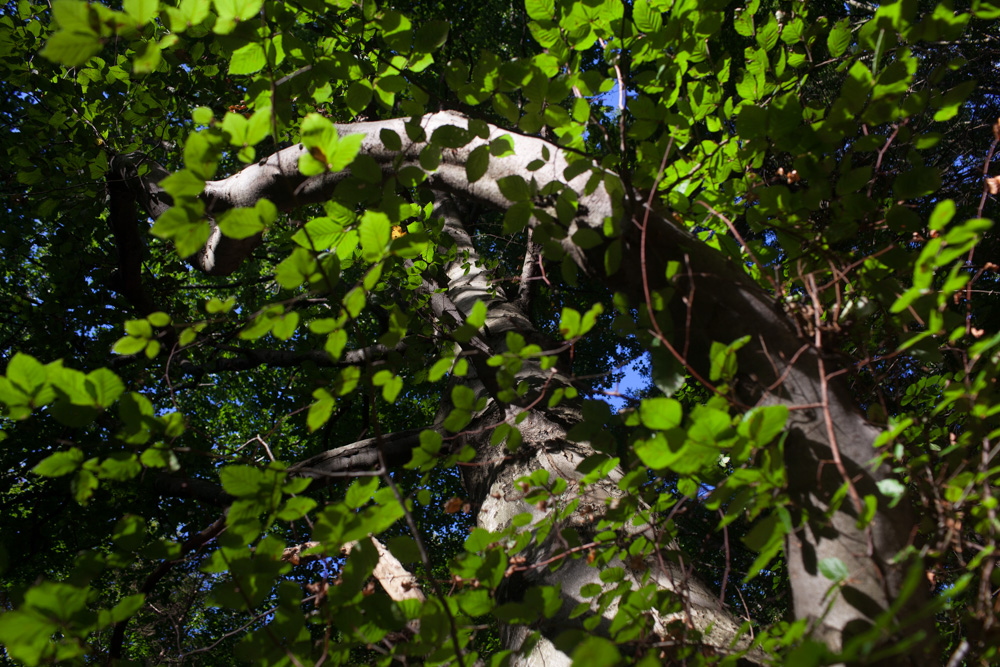
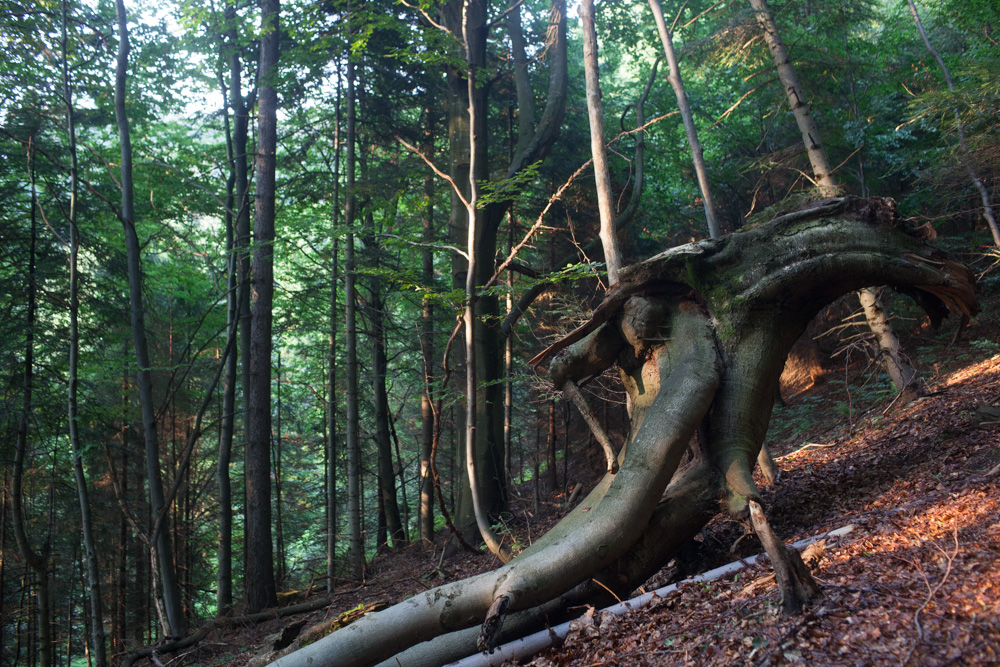
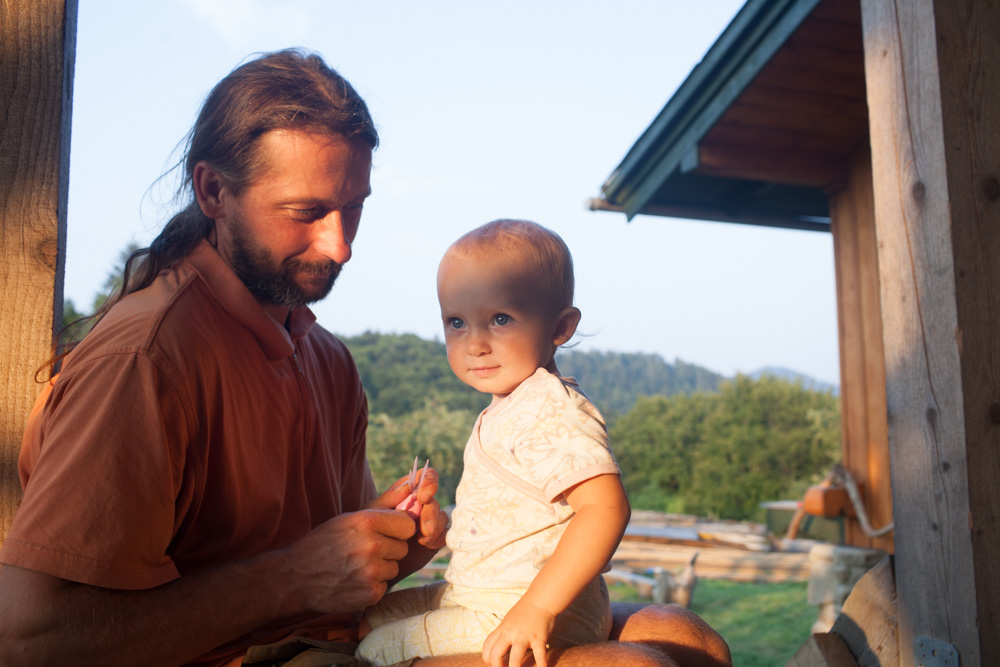
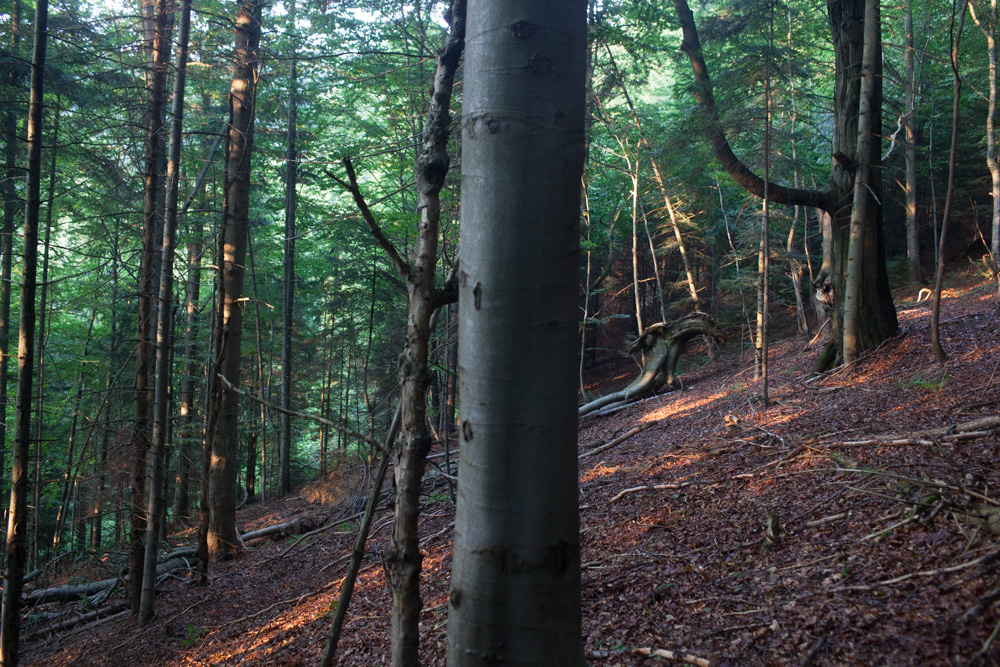
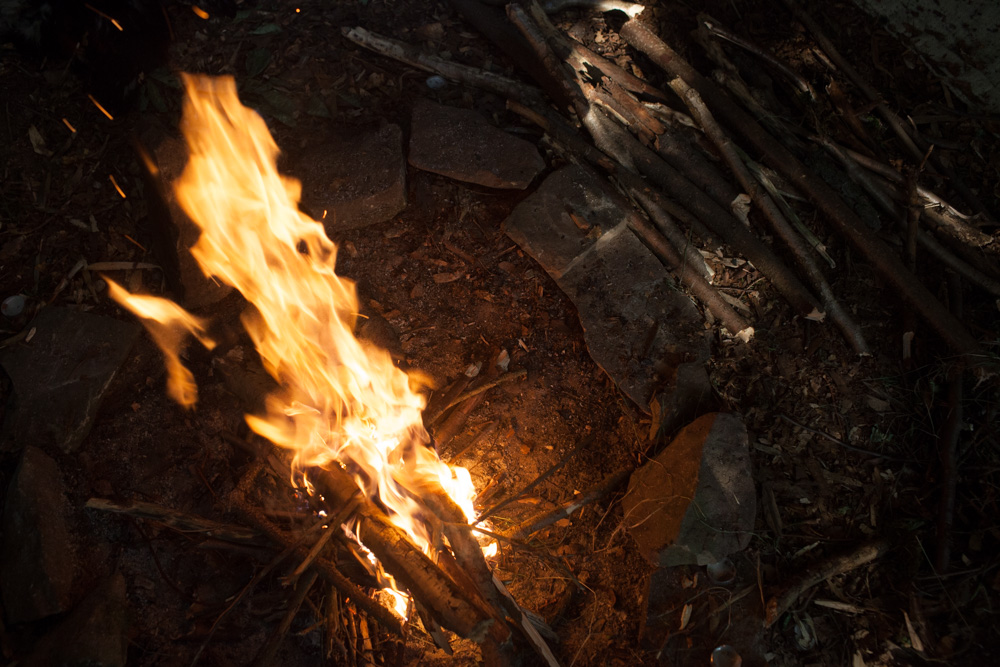
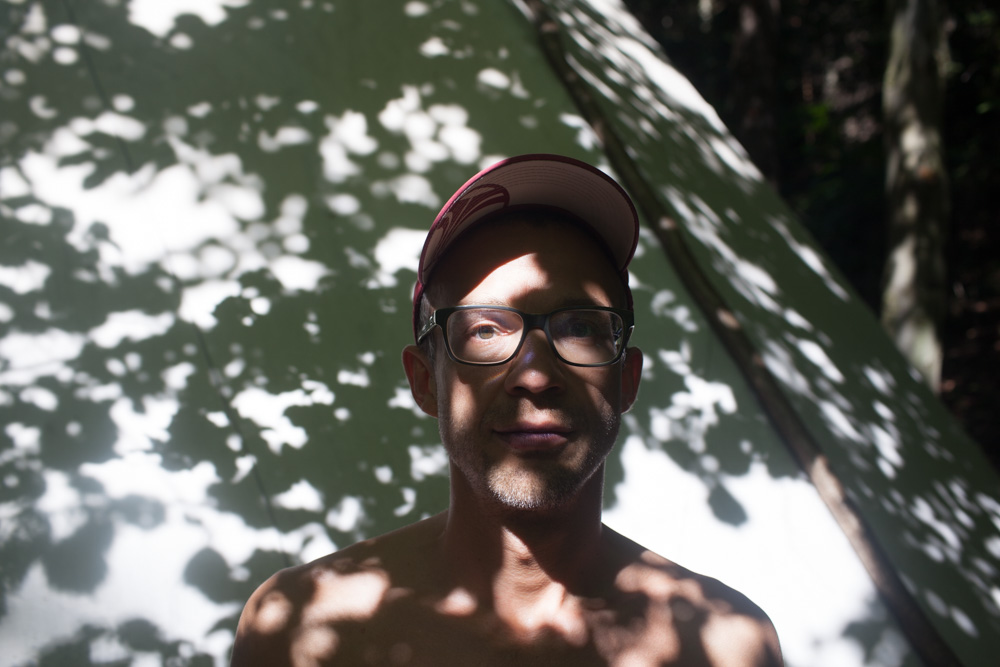
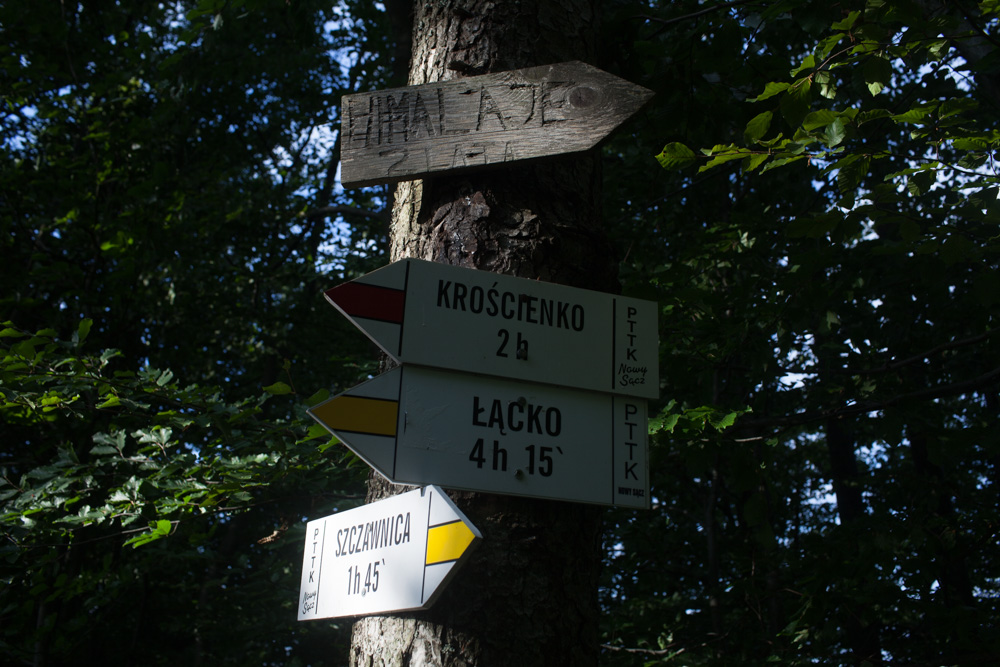
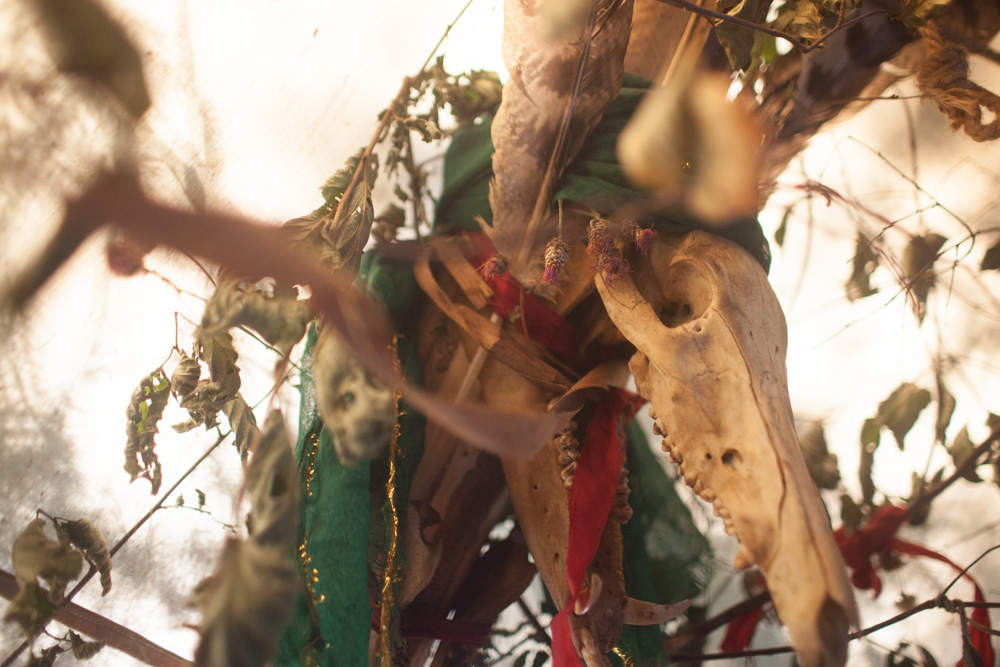
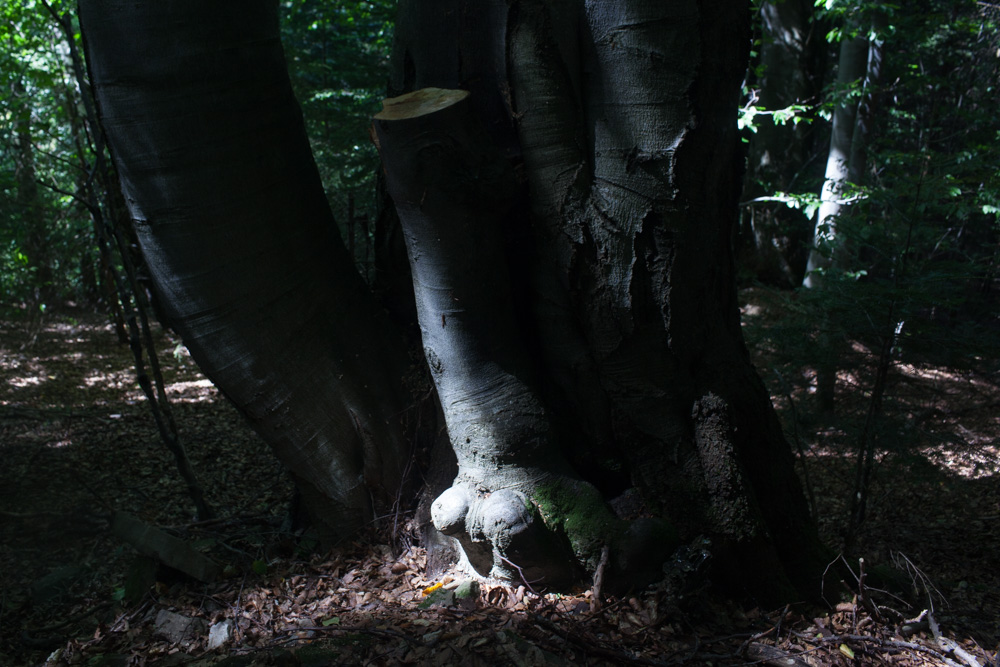
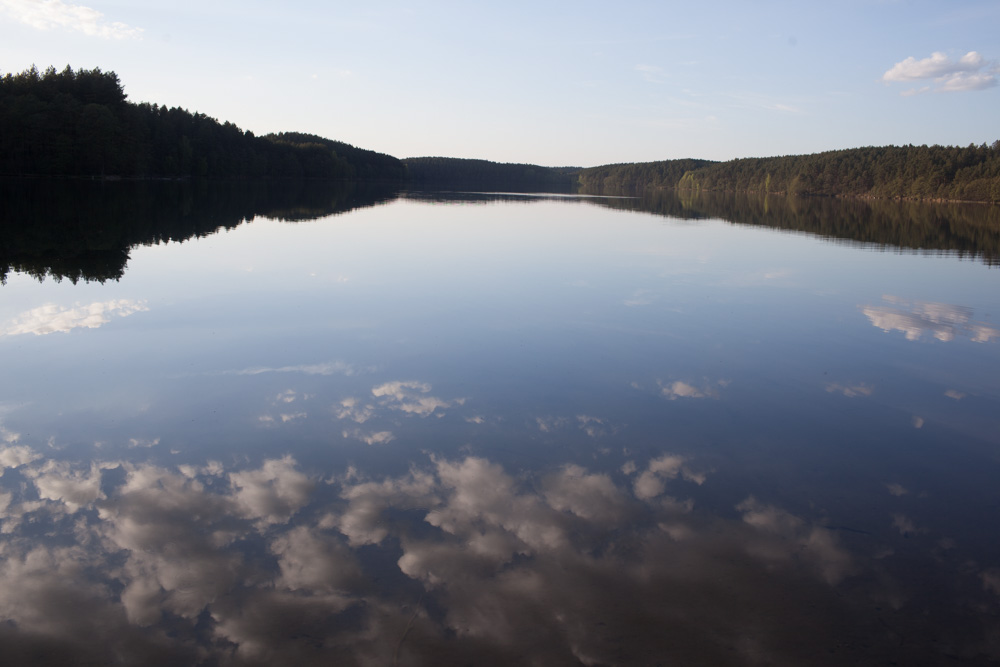
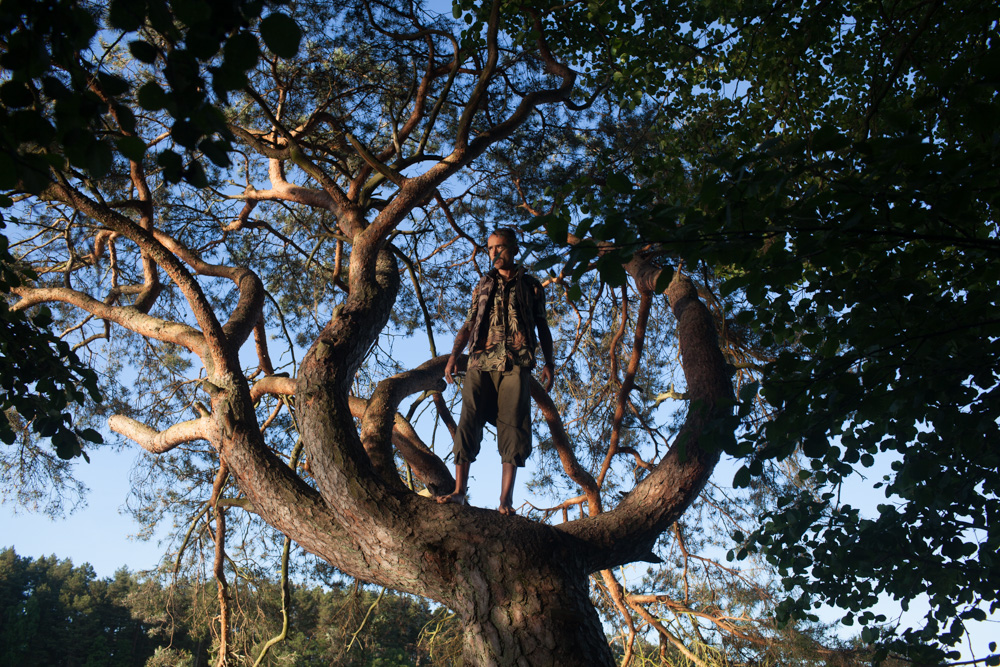
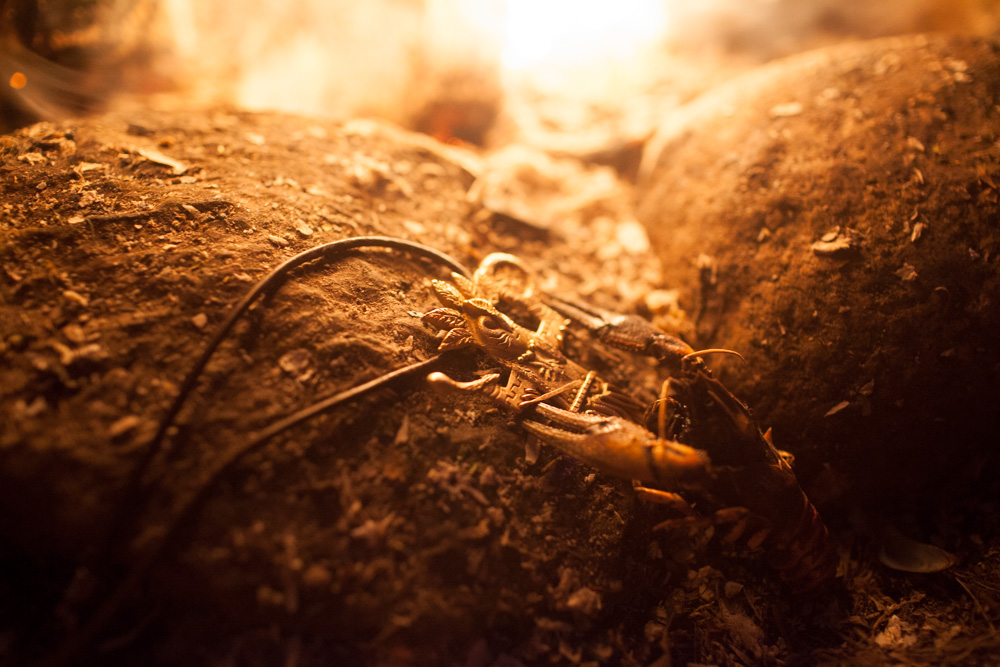
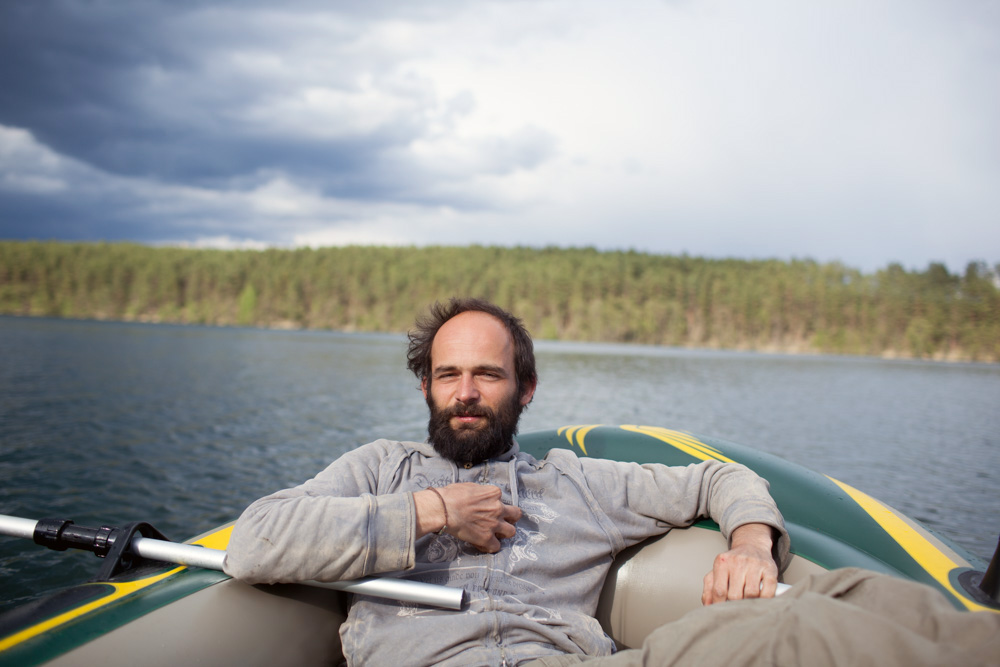
[ Interpretation above from http://www.polyoinos.de/tolk_stuff/mythopiea_engl.html , images from late summer 2015 in Polish mountains.]
POLSKIE TŁUMACZENIE z :
Drzewo i liść oraz Mythopoeia, wyd Zysk-i ska,
As I believe in truth hidden in paradoxes, here’s a bunch of letters to tell you – don’t read! talk, watch and feel. Writing is symbols for thoughts and thoughts symbols for reality, better drink from the source.
…
Ponieważ wierzę w prawdę ukrytą w paradoksach, oto poniżej garść liter mówiących – nie czytaj! Gadaj, patrz, czuj. Pismo jest symbolem myśli, a myśli mapą – symbolami rzeczywistości, lepiej pić prosto ze źródła.
The Satanic Spirit of Science (an excerpt from Chapter 6 of Trialogues at the Edge of the West by McKenna, Ralph Abraham and Rupert Sheldrake):
“Linearity in print and thought has made language unable to deal with the invisible world in any meaningful way, except as pathology. Now this invisible world is returning to the language through people like us with one foot in each world.”
…
Linearność druku i myśli sprawiła, że język jest niesprawny przy opisaniu niewidzialnego świata w jakikolwiek sensowny sposób, inny niż przedstawienie go jako patologię. Teraz ten niewidzialny świat wraca do języka poprzez ludzi takich jak my, z jedną stopą w każdym ze światów.
—-
Print and linearity and what’s called “fear bias” for language is what has shattered our sense of ourselves as a collectivity. A positive way of putting it is to say, it’s also what created the idea of democracy – individual freedom, labor unions, the vote, all of these atomized notions of human obligation and political participation arise out of print. But, so do ideas, like, that we are all alike because letters from printing presses on pages are all alike. The idea that products should be mass produced out of mass produced sub units, this is a print-head notion. It could never have occurred to anyone outside of a printing press culture and never has. These ideas have imparted to our existence a tremendous material opulence and intellectual poverty and spiritual uniformity.
…
Druk i związana z nim liniowość myślenia oraz oparte na strachu uprzedzenia są tym co zniszczyło nasze poczucie wspólnoty. Opisując to od pozytywnej strony – to jest też to, co stworzyło ideę demokracji – jednostkowa wolność, związki zawodowe, głosowanie, wszystkie te zatomizowane pojęcia ludzkich zobowiązań i politycznego uczestnictwa powstają na fundamencie druku. Ale także takie pomysły jak to, że jesteśmy jednacy, bo litery jakie produkuje na stronach maszyna drukarska są jednakowe. Idea, że produkty powinny być masowo wytwarzane z masowo wytwarzanych półproduktów, to jest pomysł łepetyny naładowanej drukiem. Nikomu spoza tej kultury druku nie przyszłoby coś takiego do głowy i nigdy nie przyszło. Te idee przyniosły do naszej egzystencji niezwykłą materialną obfitość i duchowe ujednolicenie.

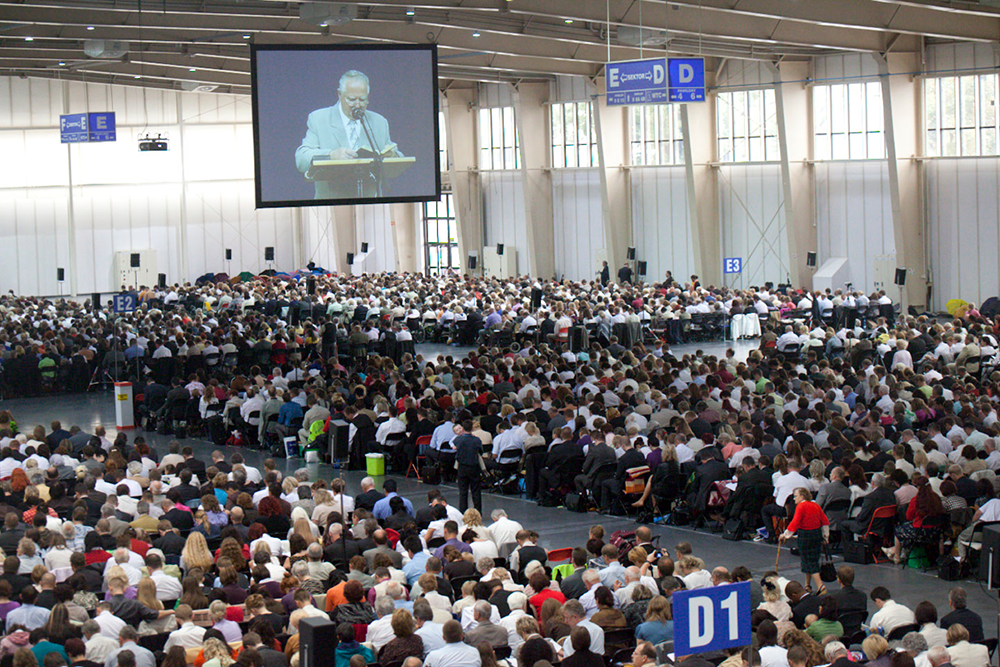
“You have to take seriously the notion that understanding the universe is your responsibility, because the only understanding of the universe that will be useful to you is your own understanding.”
…
Musisz poważnie rozważyć koncepcję, iż zrozumienie wszechświata to twoja własna odpowiedzialność, bo jedyne zrozumienie jakie będzie dla ciebie użyteczne to twoje własne.
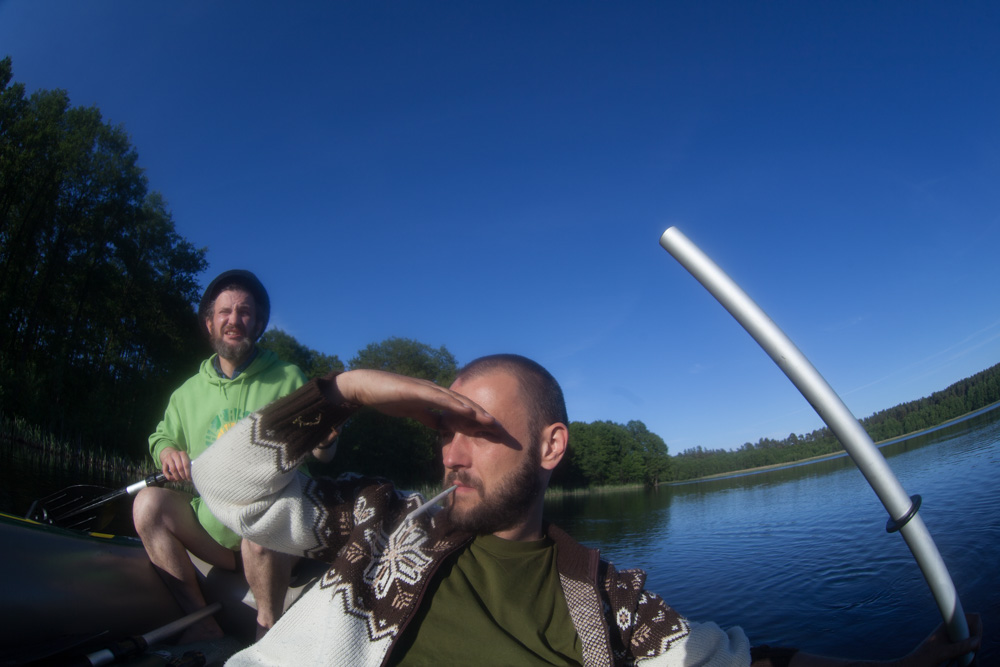
“Chaos is what we’ve lost touch with. This is why it is given a bad name. It is feared by the dominant archetype of our world, which is Ego, which clenches because its existence is defined in terms of control.”
…
“Chaos jest czymś z czym straciliśmy kontakt. Dlatego nadaliśmy mu negatywną etykietkę. Obawia się go dominujący archetyp naszego świata, Ego, które zaciska się bo jego istnienie definiuje się poprzez kontrolę”
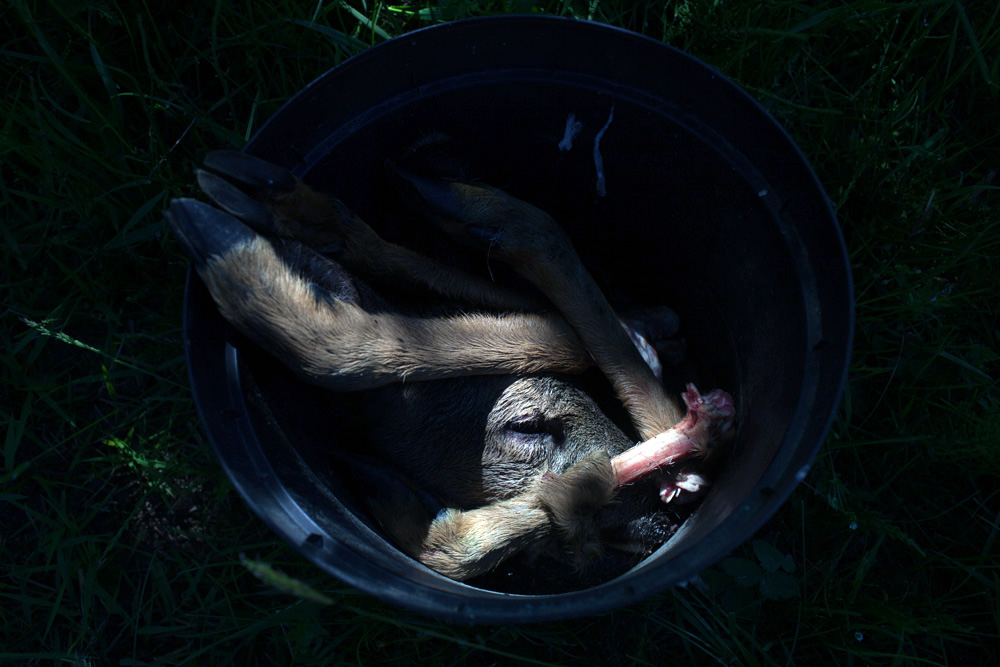
Nature is not mute; it is man who is deaf.
What you see, I think is the morphogenetic field. The invisible world that holds everything together. Not the net of matter and light, but the net of casuistry — of intentionality, of caring, of hope of dream — of thought. That all is there, but it has been hidden from us for centuries because of the exorcism of the spirit that took place in order to allow science to do business. And that monotonous and ill-considered choice has made us the inheritors of a tradition of existential emptiness — but that has impaled to us to go back to the jungles and recover this thing.
…
Natura nie jest niema, to człowiek jest głuchy.
“To co widzicie, myślę, to pole morfogenetyczne. Ten niewidzialny świat, który trzyma wszystko razem. Nie siatka materii i światła, ale siatka kazuistyki – planowości, dbania, nadziei, marzenia – myśli. To wszystko jest tam, ale było przed nami przez stulecia schowane z powodu egzorcyzmu ducha, jaki został wykonany aby nauka mogła robić swój biznes. I tenże monotonny i nieprzemyślany wybór uczynił nas dziedzicami tradycji egzystencjonalnej pustki – ale to zmusiło nas do powrotu do dżungli i odzyskania tego, co zagubione”
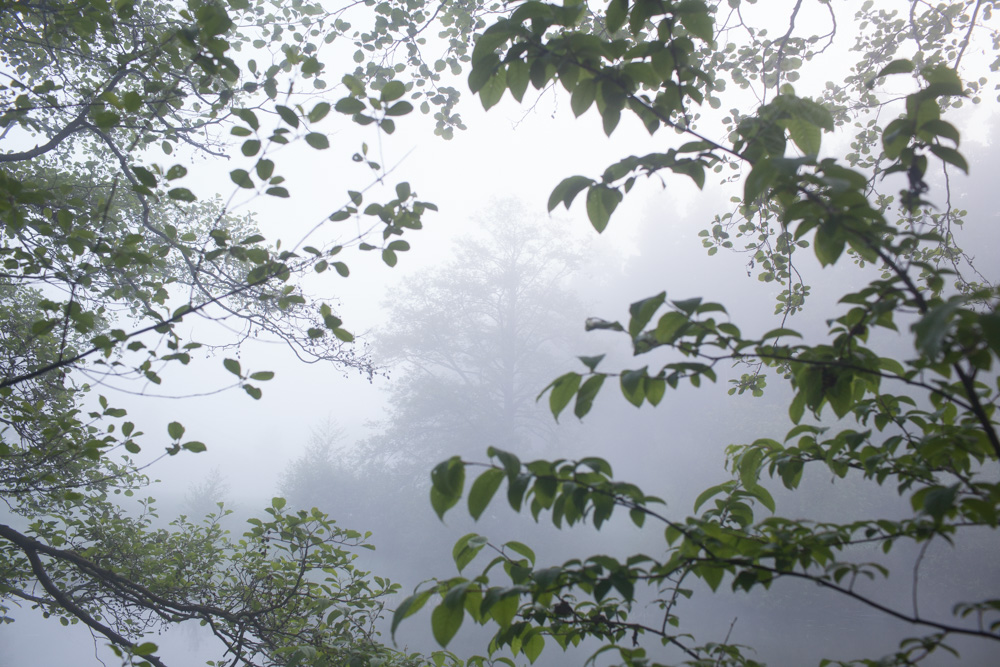
And people have asked me, then… is the goal to make the novel about yourself? I don’t think so. The goal is to become the author of the novel. Then you can write any damn ending you want for your character or any other. And this ‘becoming the author’ is this psychedelic detachment. And suddenly you go from being a chessman on the board to the chessmaster looking at the board. It’s empowering.
…
Ludzie mnie pytają … czy jest zatem celem pisanie powieści o sobie? Nie sądzę… Celem jest stanie się autorem powieści. Wtedy możesz napisać jakiekolwiek przeklęte zakończenie zechcesz, dla swojej postaci czy jakiejkolwiek innej. I to “stawanie się autorem” to jest to psychodeliczne nieprzywiązywanie. I nagle przechodzisz z roli pionka na planszy w szachowego mistrza, spoglądającego z góry na planszę. To daje poczucie mocy.
All quotes / Wszystkie cytaty : Terence McKenna
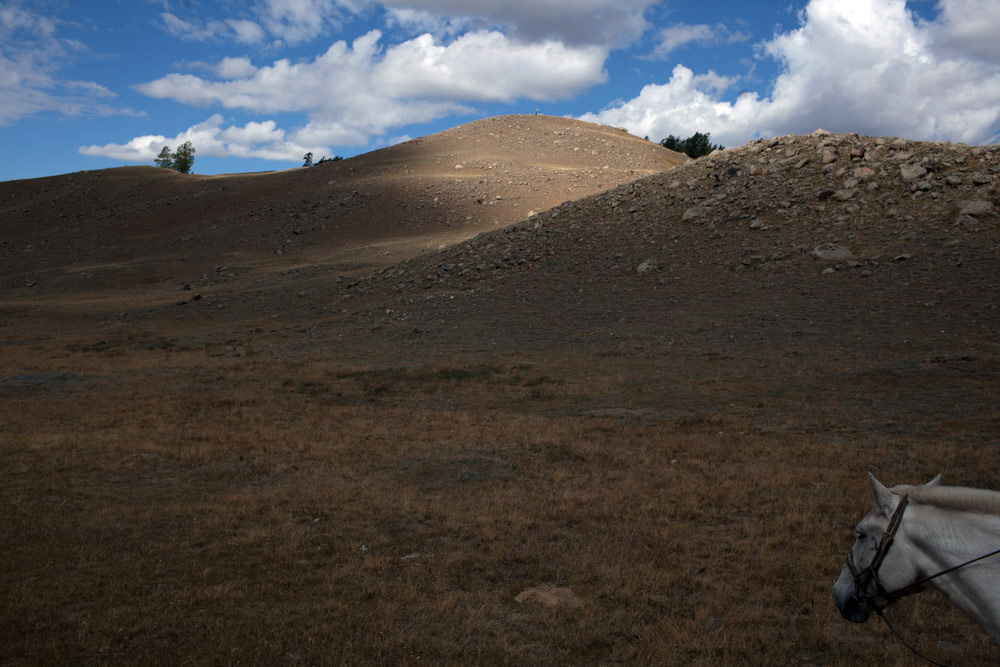
[ Mongolia 2014 ]
z analizy postaci bohaterów w ruskich bylinach i junaków w ludowych podaniach południowosłowiańskich, jako przechowalni dawnych archetypów z przedchrześcijańskich mitów heroicznych w “Religia Słowian”, Andrzej Szyjewski, Kraków 2003
…
Horse is alter ego of the hero, often born on the same day, connected with him by bonds of friendship, saves him from the most terrible troubles, can speak with human voice, giving counsel. It can possess wings, be extremely strong, faster than the wind, faster than the sun, able to jump to the moon. Sometimes, known in the fairy tale as humpback horse, is an actual representation of shamanic protective animal spirit, guiding Ivan through the death and resurrection to the hand of the princess (…)
Slavic folk heroes as a remnant of archaic pagan hero myth in “Religion of the Slavs”, Andrzej Szyjewski
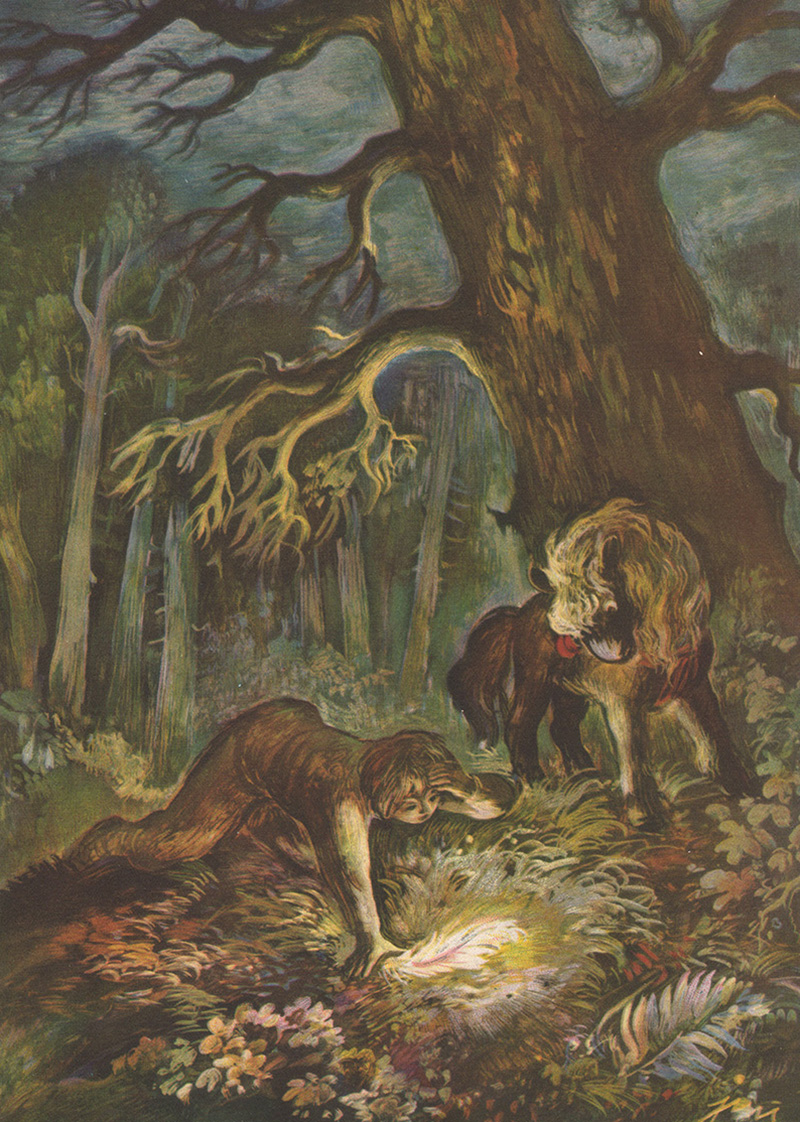
Title: Konik Garbusek (The Little Humpbacked Horse)
Author: Pyotr Pavlovich Yershov
Illustrator: Jan Marcin Szancer
The edition was published in 1956 by publishing company: Nasza Księgarnia
[ http://bajaluki.info/the-little-humpbacked-horse-1956/ ]
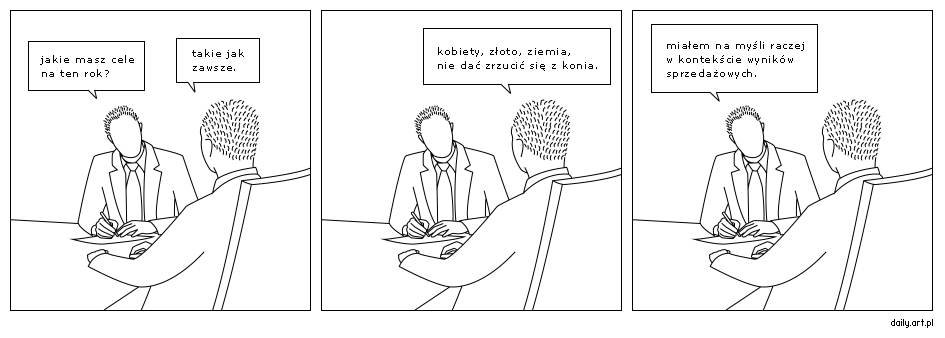
[ http://daily.art.pl/2015-01-25 ]
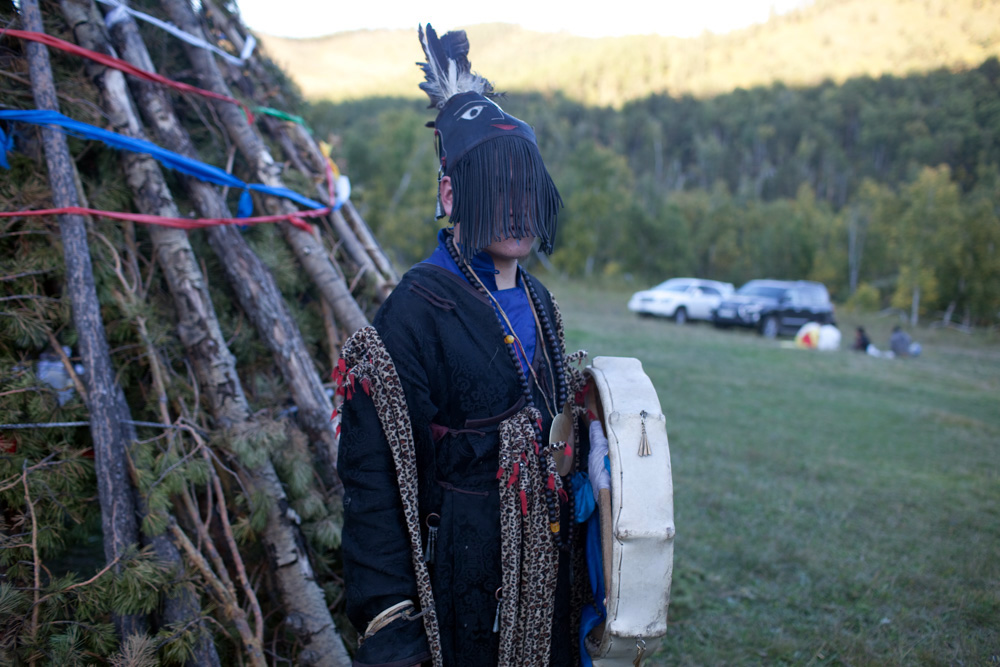
We are looking and looking for something, perhaps sometimes calling a “spiritual quest” fulfillment of more and more complicated desires and forms of greed. In a world where many material problems are solved long ago, and some of the simple needs, like the need to share life with another person or having offspring rarely frankly admitted, people turn to spiritual paths, including something they call shamanism, with fancy motivations and intentions, and therefore they build the concept of shamanism as some system of exploring world of unity, oneness and cosmic vibration. In a world without a tradition to back upon, any theory that comes to one’s mind, can be justified, here is one good example :
” But even if you don’t meditate, don’t dedicate your daily practice to achieving Enlightenment, simply believing in the possibility qualifies you to call yourself a mystic. (…) A mystic only becomes a shaman when he or she applies his belief to affect change in reality.” [ http://nabeelafsar.com/2014/02/04/shaman-or-mystic-cultural-appropriation-in-the-new-age/ ]
To be clear, I see nothing wrong in living in wealthy, peaceful world or even lack of coherent tradition to guide us, we are in flux or limbo for some reason, I am just observing a fascinating process of interpreting other cultures, their tools and terms, and building something completely different, accompanied however by compulsive need to give value to the new system by reference to the original source.
…
Szukamy i szukamy czegoś, być może czasem nazywając “duchowym poszukuwaniem” spełnianie coraz bardziej wyrafinowanych pragnień i żądz. W świecie gdzie wiele materialnych problemów rozwiązano już dawno temu, a wiele z prostych potrzeb, takich jak współdzielenie z kimś życia czy posiadanie potomstwa rzadko są szczerze deklarowane, ludzie wyruszają na duchowe ścieżki, wliczając w to coś, co nazywają szamanizmem, ze skomplikowanymi motywacjami i intencjami, i budują w związku z tym koncepcję szamanizmu jako jakiegoś systemu eksploracji kosmicznych wibracji i jedności. W świecie bez własnej tradycji na jakiej można się wesprzeć, jakakolwiek teoria jaka przychodzi do głowy może być uzasadniona, oto jeden z wielu przykładów :
“Ale nawet jeśli nie medytujesz, nie poświęcasz codzinnej praktyki osiągnięciu Oświecenia, wystarczy aby wierzyć w taką możliwość ( jedności ), by być uprawnionym do nazywania się mistykiem. ( … ) Mistyk staje się szamanem kiedy używa swojego wierzenia do dokonania zmiany w rzeczywistości” [ http://nabeelafsar.com/2014/02/04/shaman-or-mystic-cultural-appropriation-in-the-new-age/ ]
Aby było jasnym, nie widzę nic złego w życiu w zamożnym, spokojnym świecie zaspokojonych podstawowych potrzeb, ani nawet w braku spójnej tradycji nas wspierającej, jesteśmy w czasie zmiany i zamętu z jakiegoś powodu, obserwuję jedynie fascynujący proces interpretacji innych, niedawno wzgardzanych kultur, ich narzędzi i terminologii, i budowania z dowolnie wybranych klocków czegoś zupełnie innego, ale z ciągłą, obsesyjną niemal potrzebą dodawania wartości nowemu systemowi poprzez odniesienie do pierwotnego źródła.
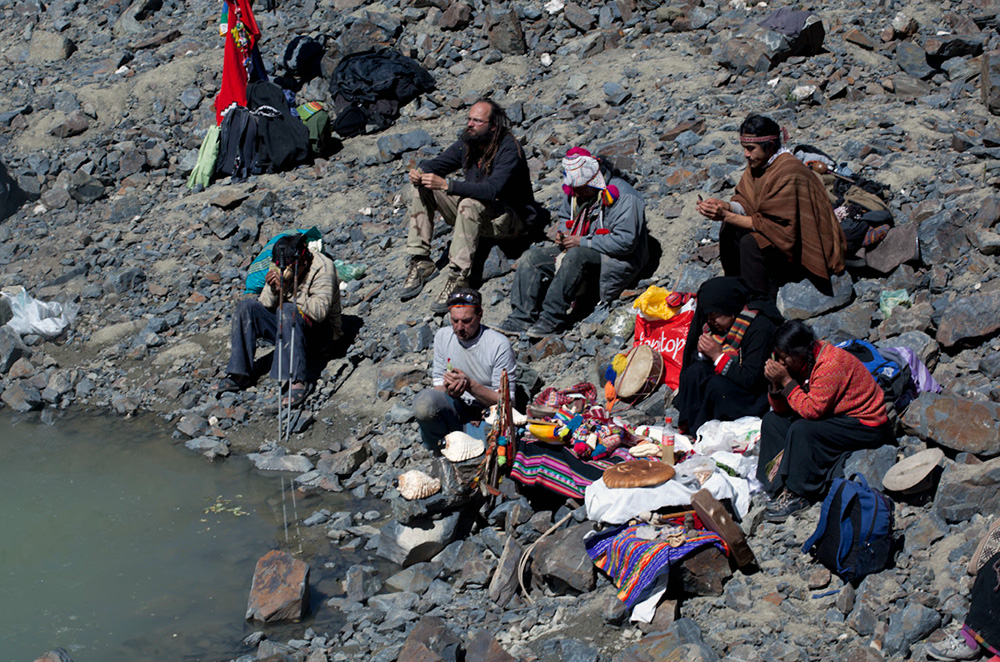
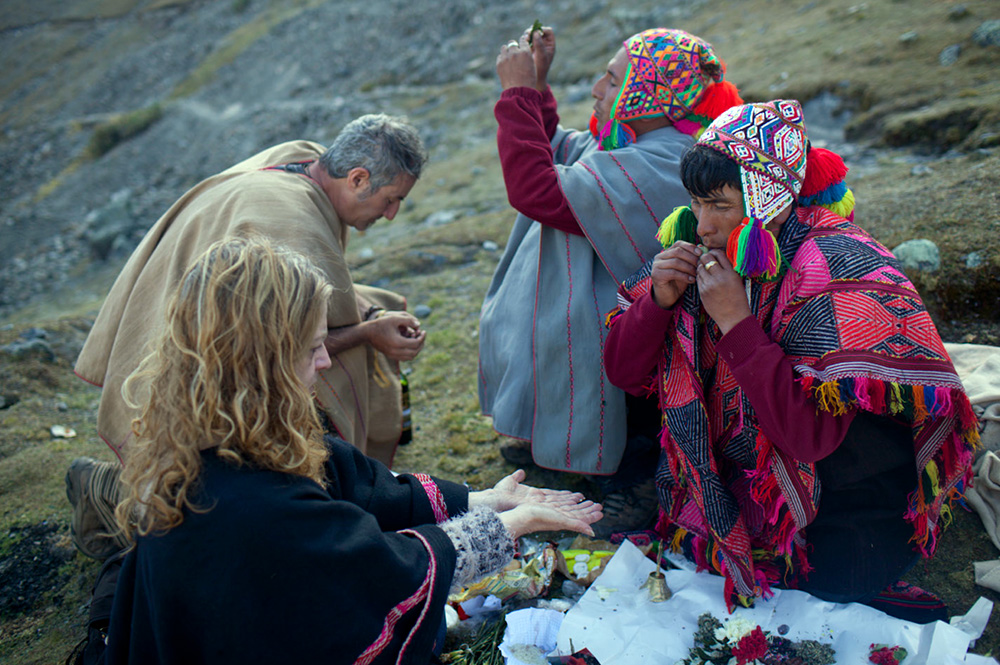
In my travels I found some kinds of traditional belief – or even practices – more accessible, others more hermetic. It is easier to partake in the same psychoactive substance the Amazonian “shaman” uses to approach his experience ( I am not talking about its cultural context and explanation of the experience ), while Mongolian practice requires perhaps more belief, preferably understanding language, or even, as I was told in some places, Mongolian ancestry. One can of course again appropriate useful gadgets, buy a drum and drum oneself into “cosmic consciousness”, but that doesn’t mean at all that he got any closer to a practice where a specific spirit of person living 400 years ago is summoned to be given milk and probed what one must do to obtain dreamed of job or favors of one pretty girl.
…
W swoich podróżach napotkałem pewne rodzaje tradycyjnych wierzeń – lub praktyk – które były bardziej dostępne dla kogoś z zewnątrz, inne natomiast bardziej hermetyczne. Łatwiej jest zażyć tą samą psychoaktywną substancję co amazoński “szaman” i zbliżyć się do jego doświadczenia ( nie mówię tu o jego kulturowym kontekście i tłumaczeniu tegoż doświadczenia ), podczas gdy praktyka mongolskiego szamanizmu wymaga więcej wiary, najlepiej też zrozumienia języka, a nawet, jak mówiono mi w paru miejscach, mongolskich korzeni. Oczywiście można sobie pożyczyć przydatne gadżety, kupić bęben i wbębnić się w “kosmiczną świadomość”, ale to nie oznacza, że chociaż trochę zbliżyliśmy się do tradycyjnej praktyki w której konkretnego ducha osoby żyjącej 400 lat temu wzywa się aby napoić go mlekiem i zasięgnąć rady, co trzeba zrobić aby zdobyć wymarzoną pracę albo względy wybranki.
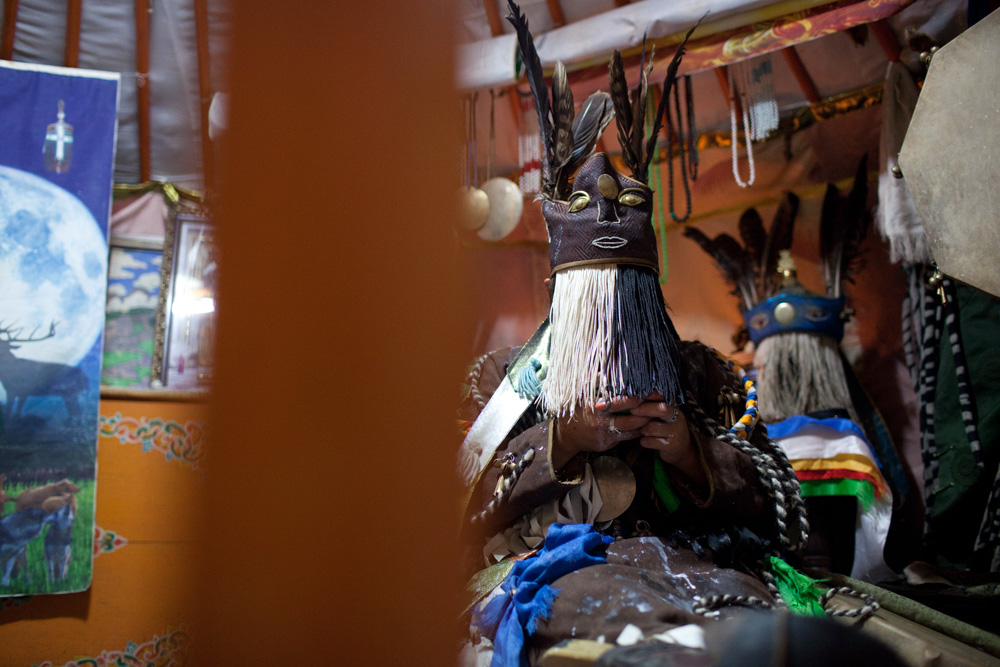
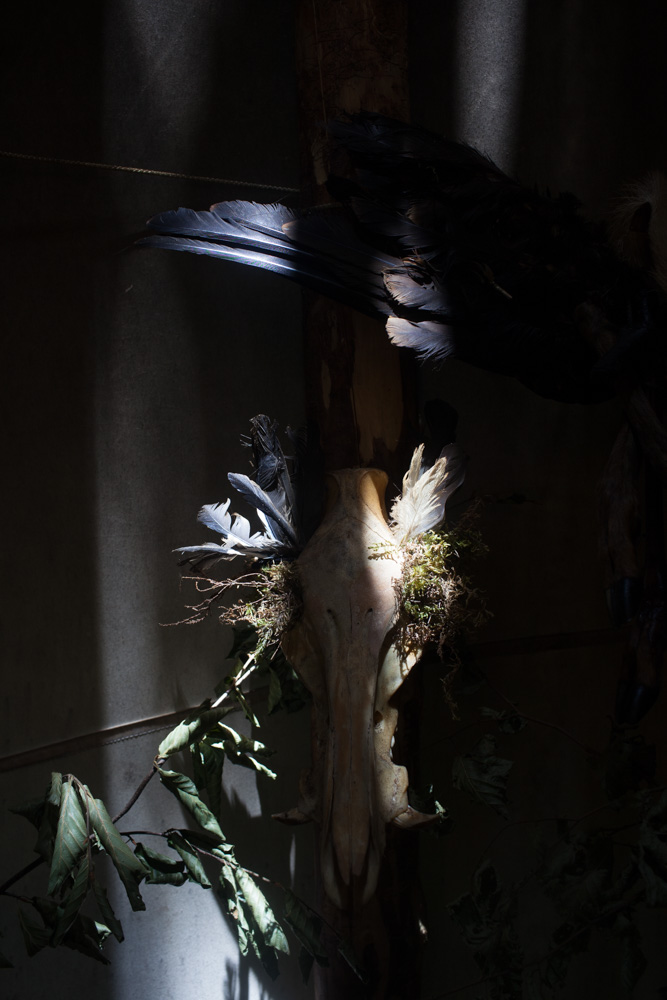
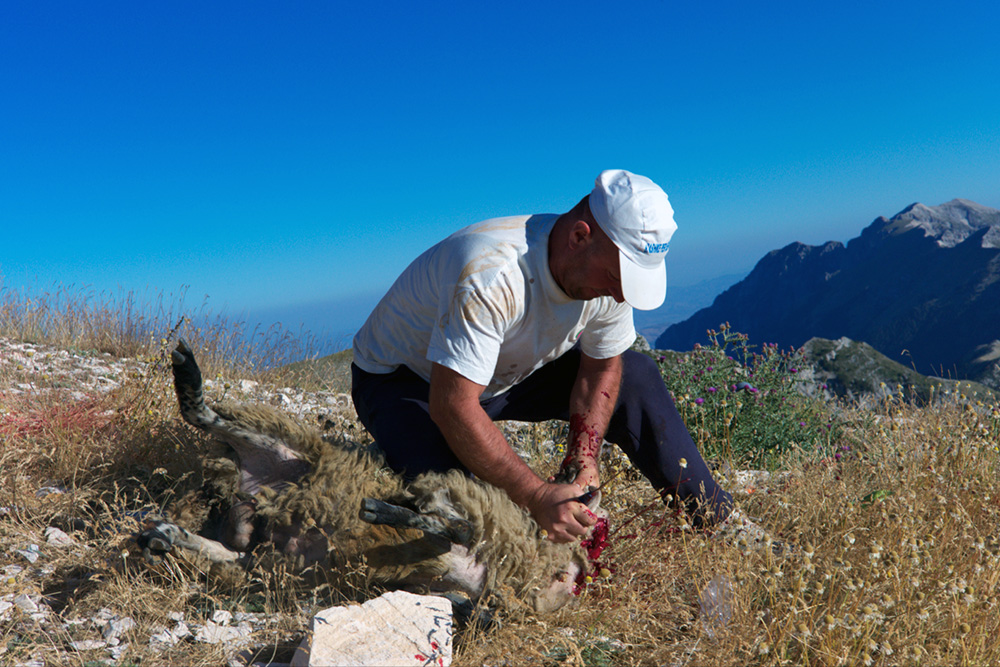
Perhaps that is a reason ( alongside with more expensive and less pleasant traveling conditions ) that Mongolian shamanism remains for outsiders more exotic, often referred to, but rarely practiced as compared to, let’s say Andean “Inca” traditions, even if practicing would just mean burning palo santo and posting flute music on Facebook. What is especially hard to buy from traditional systems for New Age adherents of shamanism, is its relation to animals, not just imaginary wolf spirit, but animals in flesh and the animal sacrifice. Skulls, fresh skins, blood, all this seems more repulsive to modern, vegetarian sensitivity than Andean embroidery or even feathers found “without killing”. This has serious consequence, I believe, for the subject most crucial in shamanism in my opinion, but so often omitted in its adaptation, is death.
…
Być może to jest jeden z powodów ( obok dużo droższych i mniej komfortowych podróży ) z którego mongolski szamanizm pozostaje dla cudzoziemców bardziej egzotycznym, czasem cytowanym, ale rzadko praktykowanym, w porównaniu, na przykład, do andyjskich “Inkaskich” tradycji, nawet jeżeli praktykowanie to sprowadza się do palenia palo santo i zamieszczaniu muzyki peruwiańskiej w linkach na Facebooku. Czymś co szczególnie trudno jest przejąć new agowym adeptom szamanizmu z tradycyjnych systemów jest ich podejście do zwierząt, nie abstrakcyjnego ducha wilka, ale zwierząt z krwi i kości i zwierzęcej ofiary. Czaszki, świeże skóry i krew, to wydaje się bardziej odpychające dla współczesnej wegeteriańskiej wrażliwości niż andyjskie wyszywanki czy nawet pióra zdobyte “bez zabijania”. Ma to poważne konsekwencje, bo moim zdaniem najbardziej kluczowa w szamanizmie sprawa, a często omijana w jego miękkich adaptacjach, to śmierć.
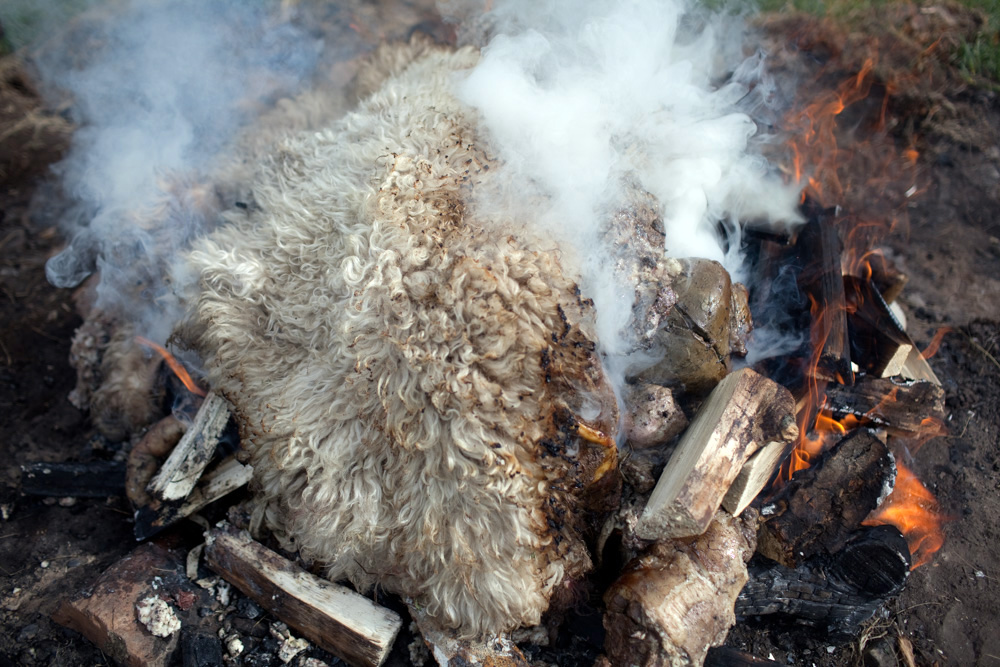
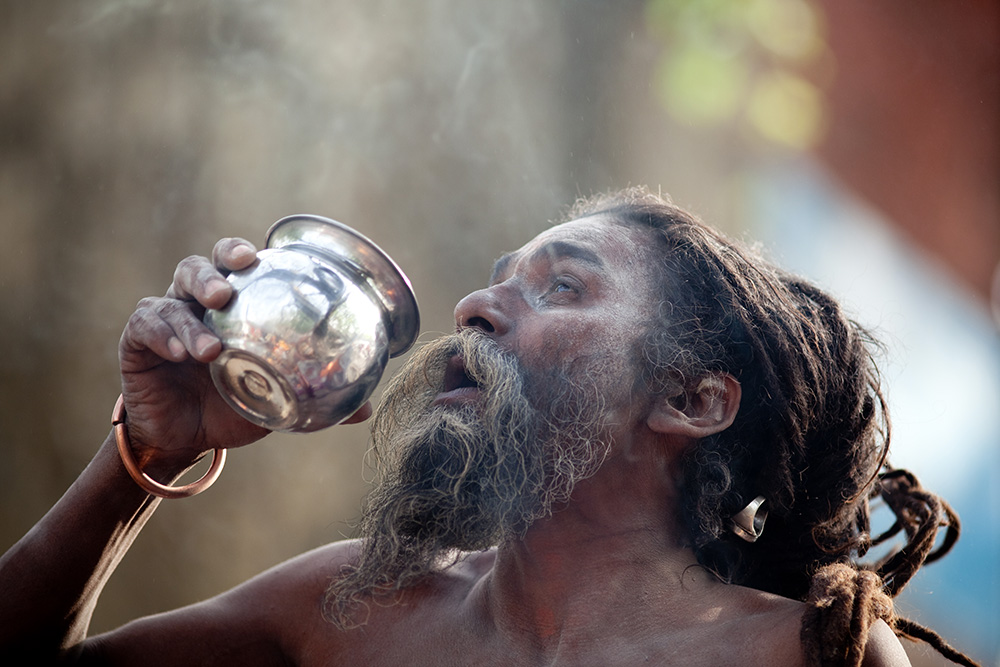
Of course – the Western/modern adherents often confirm, at least verbally, their belief that death is just another side of life, that one can not exist without the other etc, but in practice this is subject strayed away from, it remains abstraction, and the concrete reminders – such as a friend of mine drinking from his human skull in a neo-tribal gathering full of shamanic sentiments – rare and still shocking. Even more problematic is the issue of communication with dead people – not just some abstract spirits, but concrete, specific ancestors of our own family line – something central, not only to Mongolian shamanism. How many of people who claim to be into neo-pagan or shamanic practices would be ready to work with their deceased best friend’s remains?
…
Oczywiście - współcześni adepci często potwierdzają, przynajmniej w słownych deklaracjach, swoją wiarę w to, iż śmierć jest nieodłączną częścią życia, że jedno nie może istnieć bez drugiego etc, ale w praktyce ten temat się zwykle omija, pozostaje abstrakcją, a konkretne przykłady jakie mogą go ostro przywoływać – jak mój znajomy pijący kawę ze swej ludzkiej czaszki na neo-plemiennym zgromadzeniu pełnym szamańskiej retoryki – takie przykłady są rzadkie i wciąż szokujące. Jeszcze bardziej kontrowersyjna jest komunikacja z martwymi – nie jakimiś abstrakcyjnymi duchami, ale konkretnymi przodkami z własnego drzewa genealogicznego – coś oczywistego, nie tylko w mongolskim szamanizmie. Jak wielu z tych którzy deklarują się uczestnikami neopogańskiego odrodzenia i praktykującymi szamanizm byłoby gotowych pracować ze szczątkami zmarłego najbliższego przyjaciela?
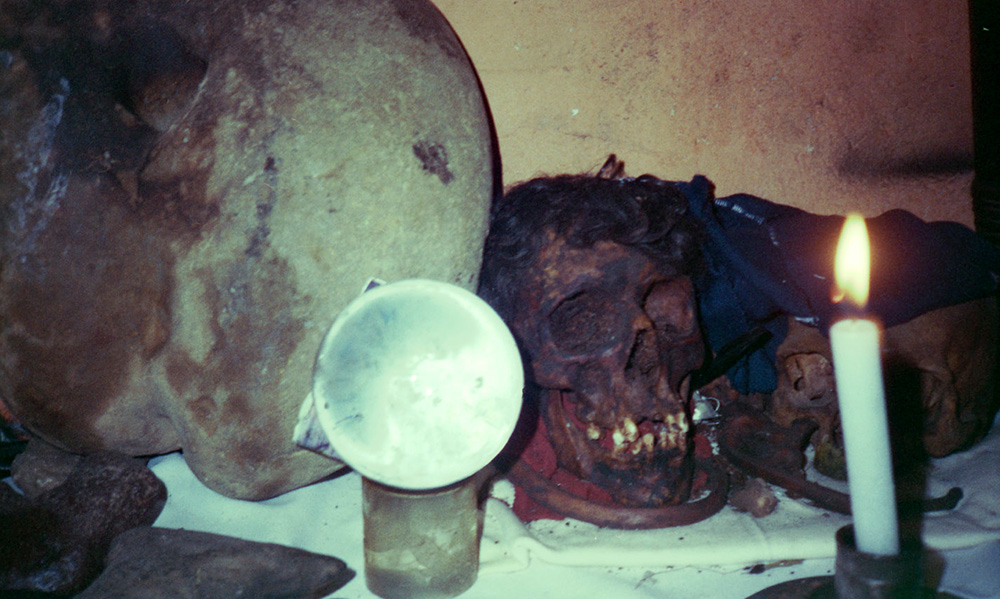
And how many of them claim the right to judge that out of the heritage of mankind, the practices they choose to pick and preserve, belong to the “more evolved” ones, and others, still respected and performed by many indigenous people who never had their connection to natural world broken by materialist and rationalist revolution, are obsolete, cruel, or backward? Perhaps the animal death, sacrifice, putting it back into focus, right into the light of consciousness, can teach us about death in general. This is no coincidence that we tend to regard Muslim ritual slaughter ( often, in the context of respective societies rooted in shamanic tradition ) as barbaric, while at the same time happily feeding our best friends/pets/ cans of industrially slaughtered meat of slave animals- without any respect and attention given to their death as individuals – and in the same culture we do not even have the courage anymore to spend a night in wake with the dead body – like we used to.
…
A jak wielu z nich roszczy sobie prawo do oceniania co z dziedzictwa ludzkości, które praktyki wybiorą jako godne zachowania, bo “bardziej wyewoluowane”, a inne, wciaż szanowane i uprawiane przez rdzenne społeczności jakie nie przerwały swojego połączenia z naturalnym światem materialistyczną i racjonalistyczną rewolucją, odrzucą jako przestarzałe, okrutne, zacofane? Być może śmierć zwierzęcia, ofiara, wprowadzenie jej ponownie w centrum, w światło świadomości, może nauczyć nas czegoś o śmierci jako takiej. Nie jest to chyba przypadek, że oceniamy rytualne zarzynanie w islamie ( często, w kontekście poszczególnych społeczeństw oparte na wcześniejszych, szamańskich zwyczajach ) jako barbarzyńskie, podczas gdy sami w tym czasie karmimy swoich pupili – pieski i kotki – puszkami przemysłowo mordowanych niewolników – bez żadnego szacunku i uwagi poświęconej ich indywidualnemu życiu i śmierci. W tej samej kulturze nie mamy już nawet odwagi by spędzić chociaż jedną noc czuwając – jak to wcześniej bywało – przy trupie.
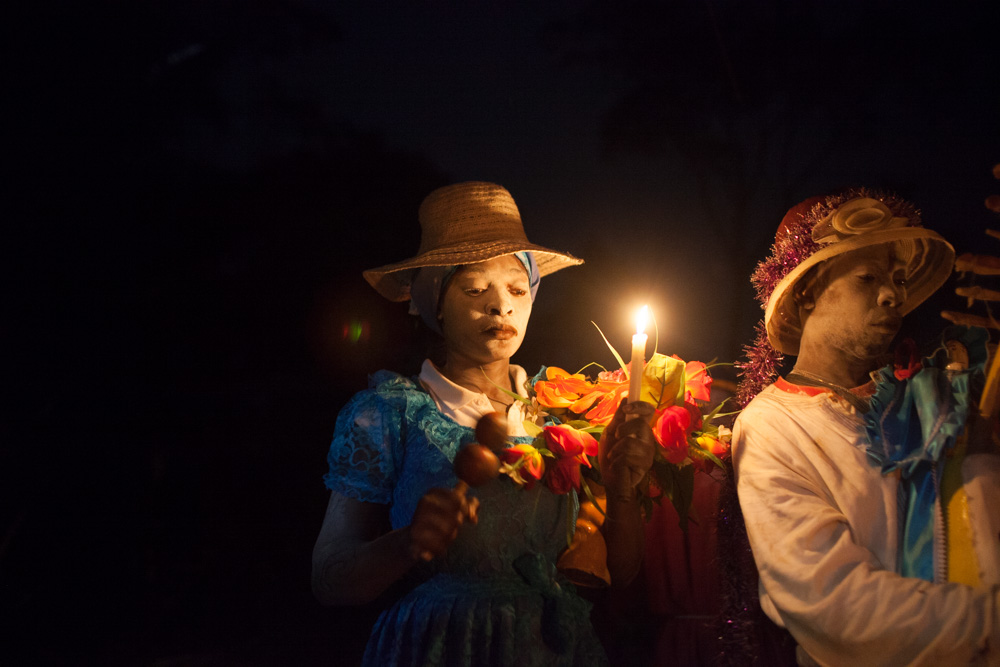
The followers of Bwiti in their night ngoze ceremony are dressed as actual ancestors, in their iboga induced journey they seek to meet actual deceased relatives, their grandmother, father… The spirit summoned by a Mongolian visiting his shaman was a living person once, often from his own family. How does this relate to the experience of modern seeker, who is often seeking far because of disillusionment with his own culture, which is caused by disillusionment with his own family. How to bridge this gap, how to bring our own dead to life, led by a very simple and down to earth motivation – to heal the living?
…
Członkowie Bwiti w swej nocnej ceremonii ngoze ubrani są jak ich przodkowie, w swojej wywołanej działaniem ibogi podróży wyruszają aby spotkać się z konkretnymi przodkami, babcią, ojcem… Duch wzywany przez Mongoła odwiedzającego swojego szamana to była kiedyś konkretna, żywa osoba, często z rodziny. Jak to się ma do doświadczenia współczesnego poszukiwacza, który często szuka daleko, bo rozczarowany jest własną kulturą, a to z kolei wynika z rozczarowania własną rodziną. Jak zamknąć to rozdarcie, jak przywołać naszych martwych, w prostej, przyziemnej motywacji – uleczenia tych co żyją?
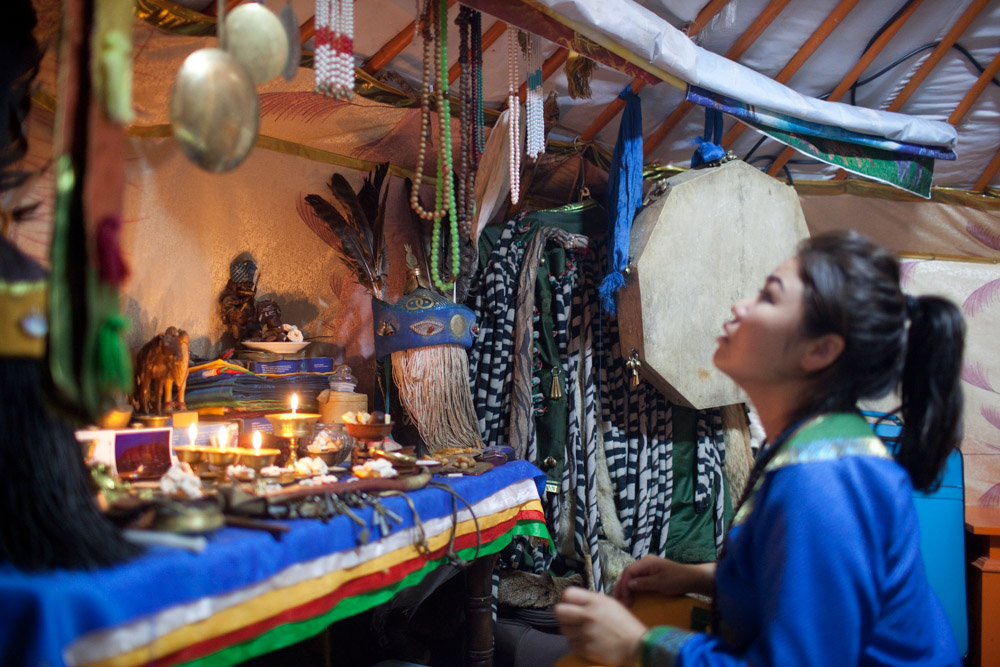
Because shamanism, in my opinion, in practice is above all about healing. Be it journey with the drum, or application of plant medicine, this is not so much about creating complicated worldview and exploring worlds for the sake of exploring, but a set of techniques to be applied here and now, for better living. That is why I also agree with Alejandro Jodorowsky, when he says that he is not interested in any art that does not aim to heal, what for to look for answers for big questions and split hair in four if we can’t help people – or ourselves for that matter – to stop hurting ourselves or those around?
…
Bo szamanizm moim zdaniem to przede wszystkim praktyki uzdrawiania. Czy to podróż z bębnem czy przyjęcie roślinnego sakramentu, nie chodzi tu tyle o kreowanie skomplikowanych map wszechświata i eksplorowanie światów dla samej eksploracji, ale o zestaw technik do zaaplikowania tu i teraz, dla lepszego życia. Dlatego też zgadzam się z Alejandro Jodorowskim, kiedy mówi iż nie interesuje go sztuka, która nie ma na celu uzdrawiania, po co bowiem szukać odpowiedzi na wielkie pytania i rozdzielać włos na czworo jeżeli nie możemy pomóc ludziom – czy nam samym zresztą też – powstrzymać się od wyrządzania sobie krzywdy – i tym co wokół.
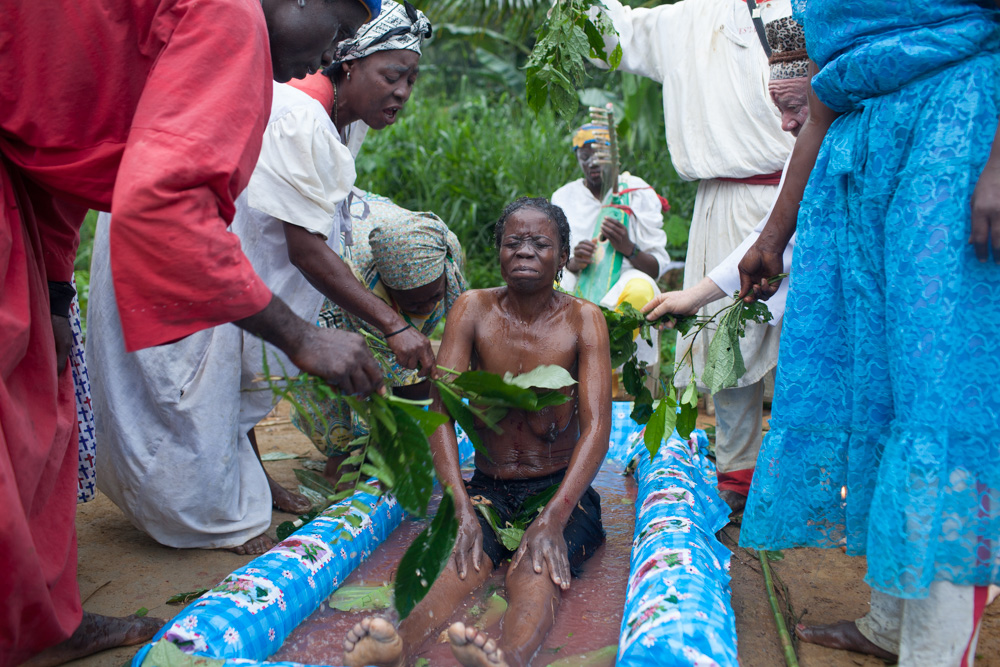
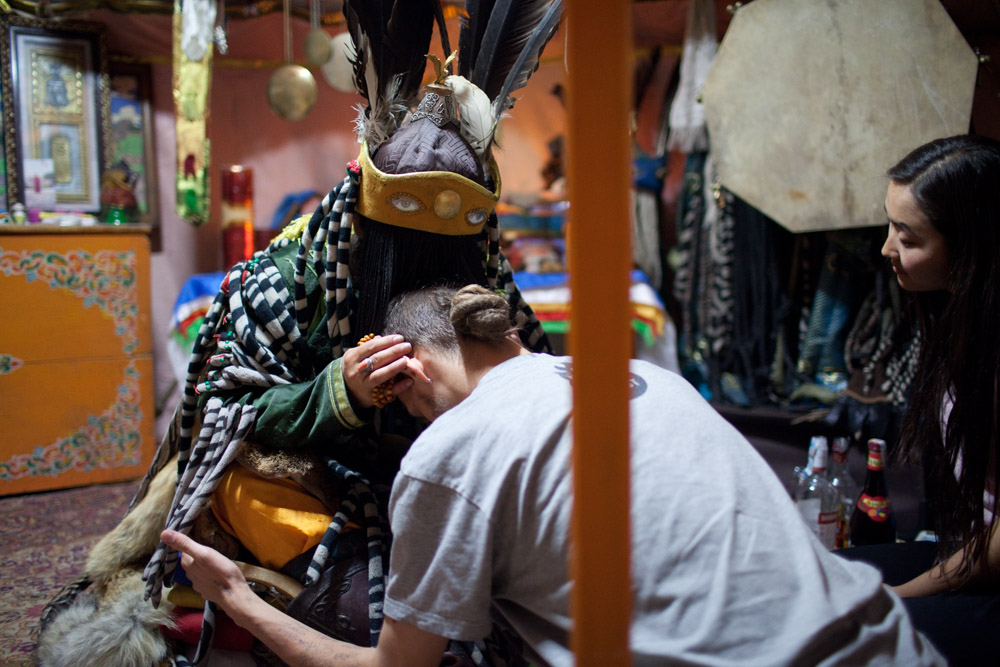
Now we arrive at the issue of price. We have commodified all world and its resources and when we have build a rich civilization based on this commodification, we start to feel guilty, and associate transaction with this sense of guilt for all the wealth amassed. This can have very peculiar consequences – like seeing the evil in the transaction itself, not in the scale and imbalance in the exchange. I assume it is because of this wealthy members of modern societies somehow see the pure shamanism as the one free from their own malaise, free from material and especially financial attachment. So many times I heard young people, who are prepared to pay for whatever they fancy, including flight to exotic destination, that they want to find a shaman who is true, meaning he requests no money, at worst he can be rewarded with a chicken or something, or best, with the “skills” this young seeker has to offer.
…
Docieramy teraz do kwestii ceny. Zamieniliśmy cały świat i jego zasoby w towar i kiedy już zbudowaliśmy dzięki temu sprawnie działającą bogatą cywilizację, zżera nas poczucie winy za całe te skarby zagarnięte i łączymy z nim samą ideę transakcji. To może mieć bardzo dziwne konsekwencje – takie jak widzenie zła w samej transakcji, a nie jej skali czy nierównowadze wymiany. Wydaje mi się też z tego powodu bogaci reprezentanci współczesnych społeczeństw mają tendencje do postrzegania jako “czysty” tego szamanizmu który rzekomo jest wolny od ich własnej choroby, wolny od materialnego a zwłaszcza finansowego uwiązania. Tak często słyszę młodych ludzi, przygotowanych do zapłacenia za swą dowolną zachciankę, włącznie z lotem do dalekiego kraju, że chcieliby znaleźć szamana, który jest “prawdziwy”, co oznacza, że nie chce kasy, w najgorszym wypadku zadowoli się jakimś kurczakiem a najlepiej gdy pozwoli młodemu adeptowi popracować, podzielić się jego, jakże pożądanymi umiejętnościami.
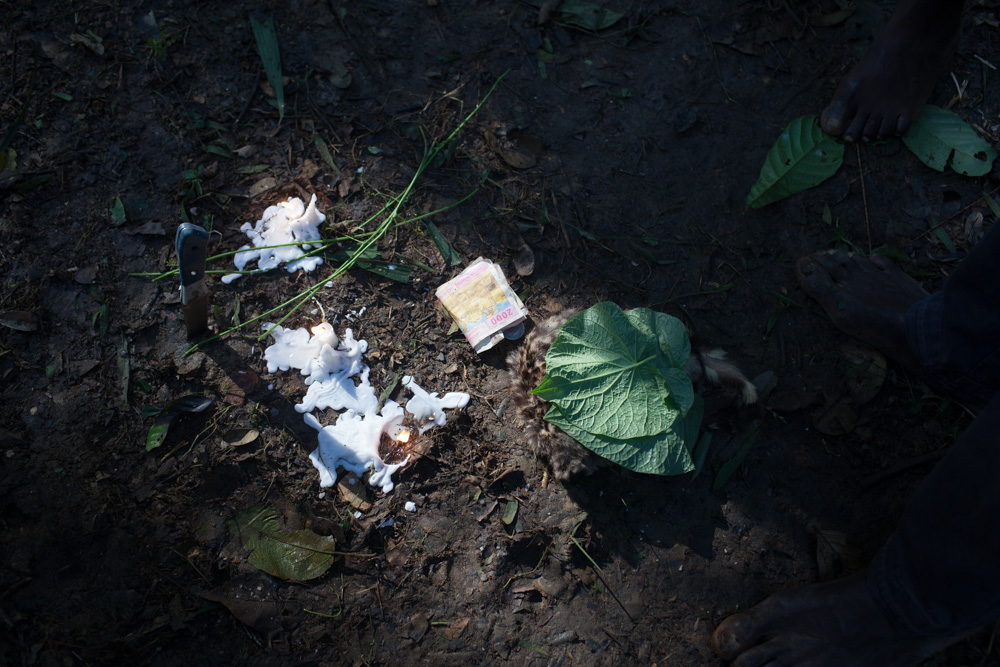
Indigenous cultures which recently entered the world we created do not seem to have this guilt. Yes, they had barter economies, in a simple society we dream about as paradise lost that would work, but now they see nothing wrong in money as representation of energy exchanged, as blood – life flowing, and it can be used in transactions with humans or with nature – and spirits as well. For transaction – bringing and restoring balance – is another foundation of shamanic worldview. You want something – be prepared to pay. Life must be fed with life, that is the meaning of sacrifice. You want health, you want life – pay the spirits with blood, pay with something precious. Superstition? Is it better to just take what we want, and in doing so, without noticing, instead of the price paid for the spirit we ask, we feed insatiable Moloch of greed, god of our consumerist culture.
…
Rdzenne kultury, które niedawno wkroczyły w świat jaki stworzyliśmy, nie mają tego poczucia winy. Tak, miały swoje ekonomie wymiany, to działało w prostym społeczeństwie o którym śnimy niby o raju utraconym, ale teraz nie widzą niczego złego w pieniądzu jako reprezentacji wymienianej energii, jako krwi – przepływie życia, pieniądzu, który może być używany w transakcjach z ludźmi lub naturą – a także duchami. Bo transakcja – przynosząca lub przywracająca równowagę – jest kolejnym z fundamentów szamańskiej wizji świata. Chcesz czegoś – bądź gotowy za to zapłacić. Za życie trzeba czasem zapłacić życiem, takie jest znaczenie ofiary. Chcesz zdrowia, chcesz życia – zapłać duchom krwią, zapłać czymś, co jest cenne. Przesąd? Czy lepiej brać jest po prostu to na co mamy ochotę, i robiąc tak nawet nie zauważać, iż zamiast ceny płaconej duchom za pomoc, karmimy nienasyconego molocha chciwości, boga naszej konsumpcyjnej kultury.
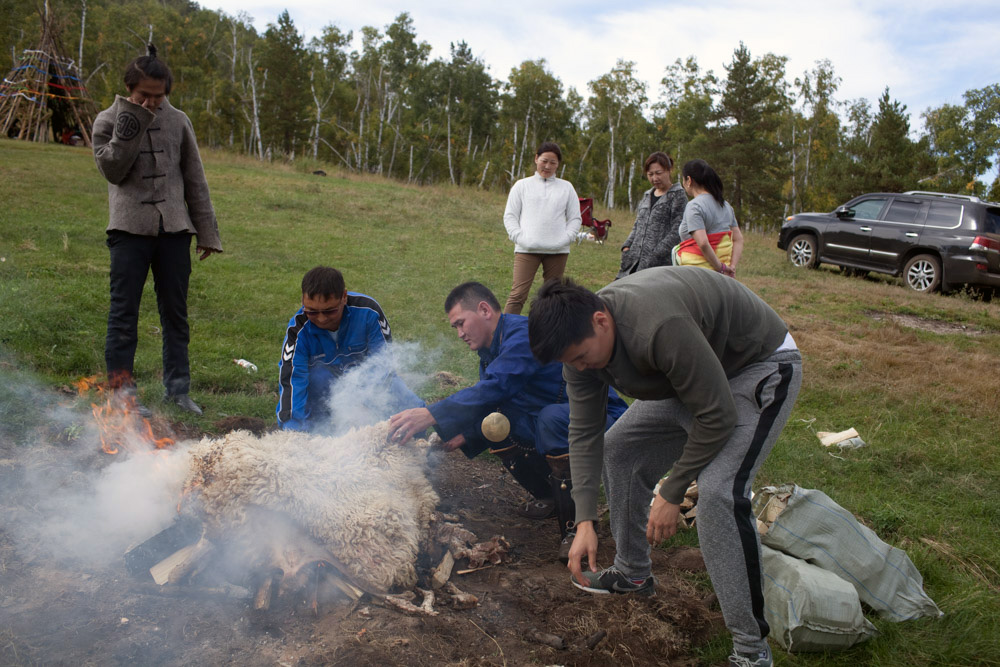
Transaction is acknowledgement of value of the thing/service received, it means we do not take it for granted, we pay, at least symbolic cup of vodka to the spirit we acknowledge as something real, and by feeding it, we give it power we will after all need ourselves. If we truly believe in unity of being, by feeding the world, we feed ourselves.
…
Transakcja jest uznaniem wartości rzeczy/ usługi otrzymywanej, oznacza, że nie przyjmujemy daru – w tym wypadku od losu/duchów/świata – jako czegoś oczywistego, płacimy, przynajmniej symbolicznym kubkiem wódki duchowi, którego istnienie potwierdzamy przez to jako realne. Karmiąc go, dajemy mu moc której w końcu sami będziemy potrzebować. Jeżeli szczerze wierzymy w jedność istnienia, karmiąc świat, karmimy samych siebie.
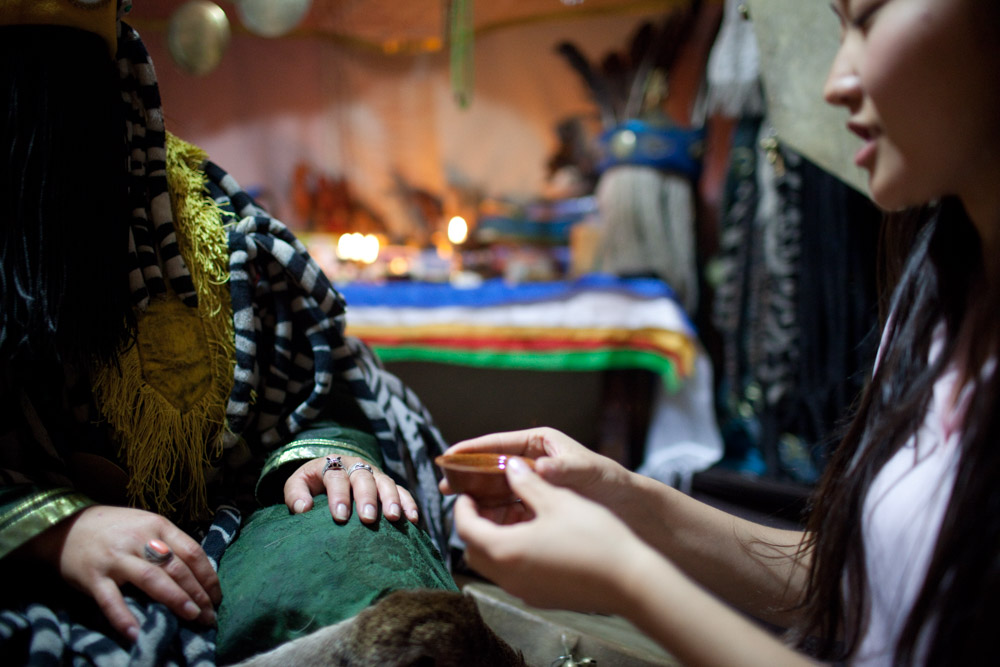
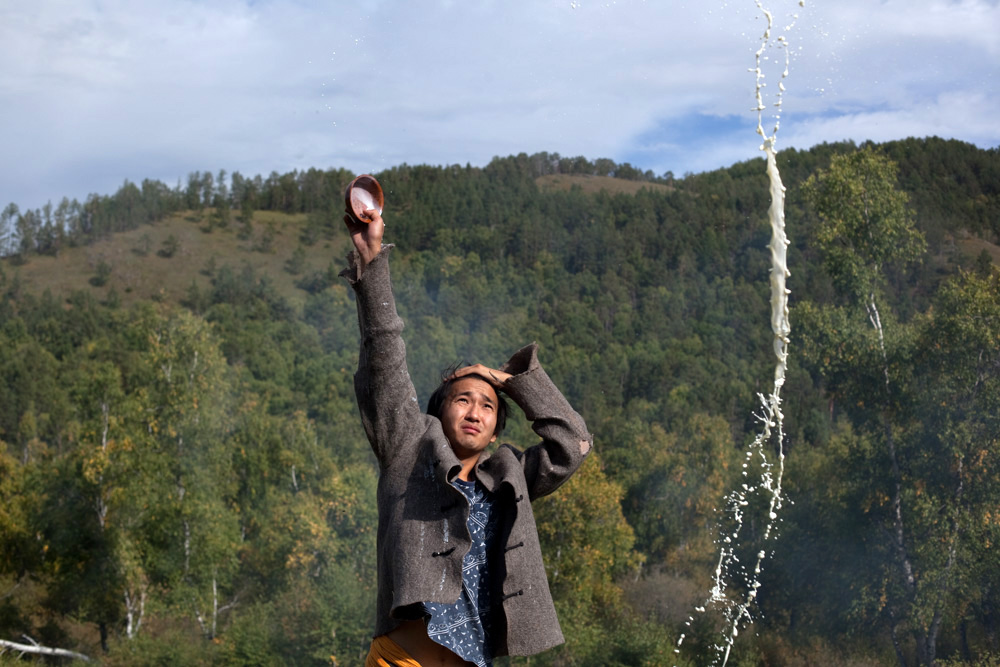
And who is shaman in all this, that mysterious figure, so ambiguous, interpreted according to one’s fancy, cultural background, the lectures we read…
…
A kim jest w tym wszystkim szaman, ta tajemnicza postać, dwuznaczna, postrzegana przez pryzmat widzimisie, kulturowej tresury, lektur, jakie się przeczytało..
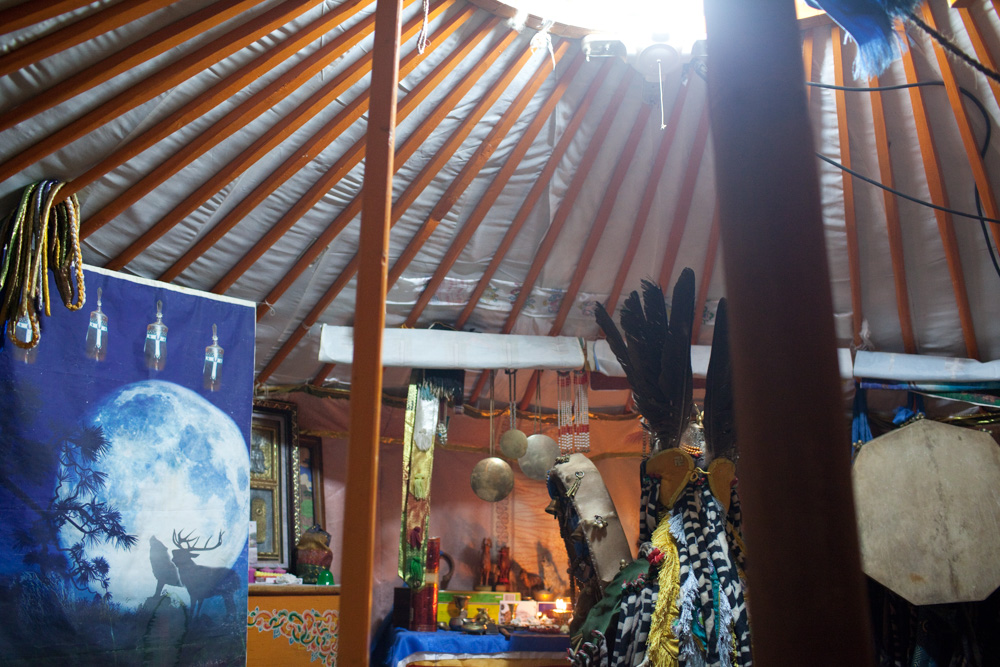
Is he a guru to be followed or rather a vessel, should we worship our guides or the world they show us? Should we really focus on the finger or rather the beauty of the moon it points towards, the voices he – or she – may just be more sensitive to hear?
…
Czy jest to guru za jakim trzeba podążać, czy raczej naczynie? Powinniśmy czcić naszych przewodników, czy też świat, który nam pokazują? Powinniśmy naprawdę skupiać się na palcu, a może na pięknie księżyca jaki ten palec wskazuje? Na głosach, jakie on – lub ona – słyszy z większą wrażliwością…
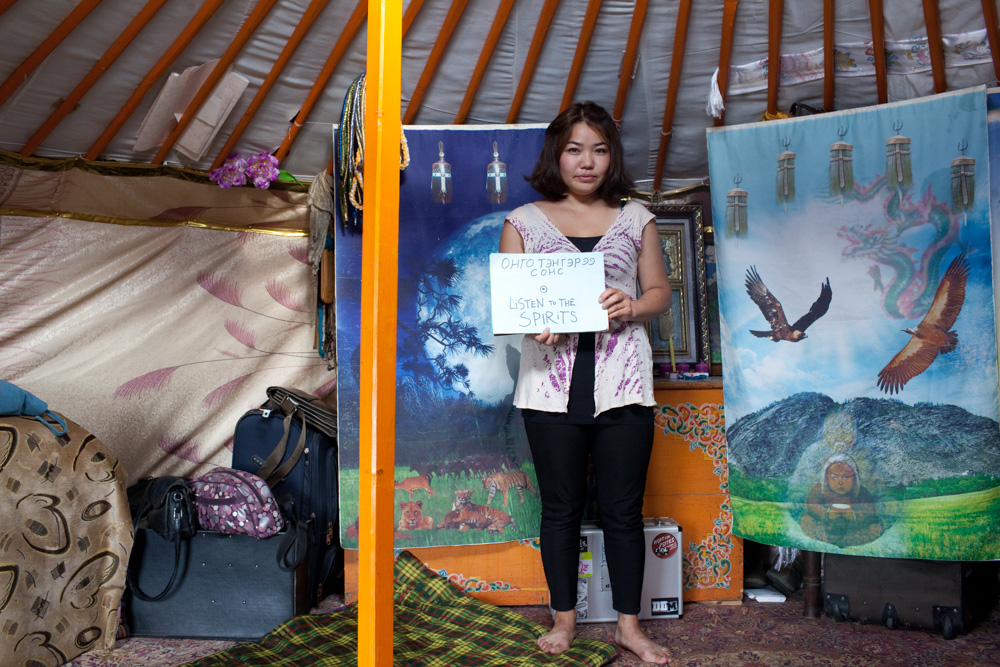
[ Mongolia / Peru / Ecuador / Albania / Cameroon / 2011-2015 ]